
You’ve just brought home a adorable ball of fluff, or perhaps a dignified adult cat from a shelter. One of the first, and most crucial, lessons they need to learn is the bathroom protocol. Litter training a cat is generally an intuitive process after all, they have a natural instinct to bury their waste. But generally doesn’t mean always. As someone who has shared my home with cats for over two decades and volunteered with a local rescue, I’ve seen everything from kittens who took to the box like a duck to water, to confused adults who needed a complete re-education.
The key isn’t magic; it’s understanding, preparation, and a bit of patient strategy. The good news is you can usually litter train a cat fast, sometimes in just a few days. This guide will walk you through the steps to set both you and your feline companion up for swift success, grounded in feline behavior and real-world experience.
The Foundation Choose the Perfect Litter Box Setup
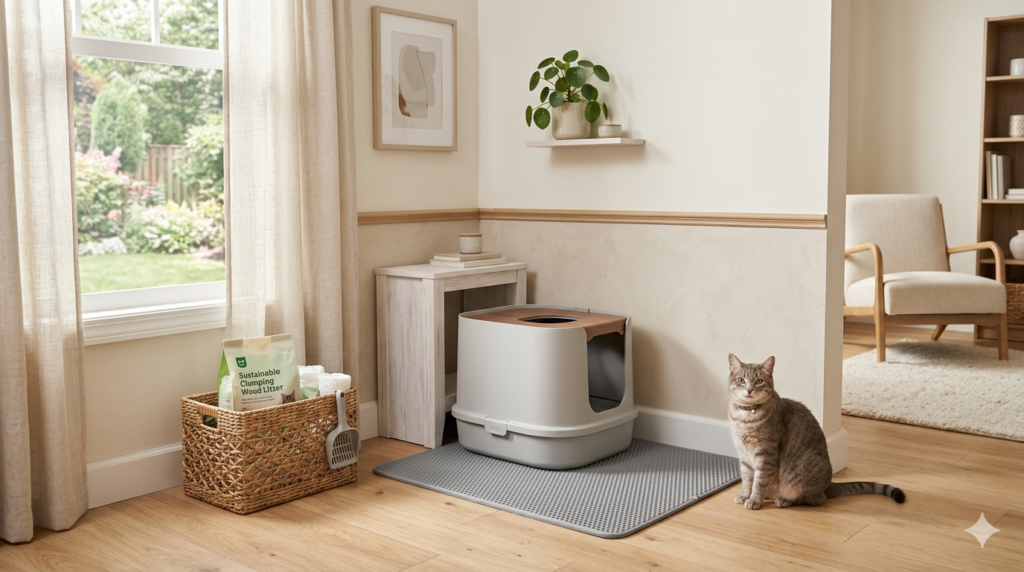
Getting the box right from the start prevents 90% of future problems. Think like a cat: they value safety, cleanliness, and accessibility.
- The Box Itself: For a kitten, start with a low-sided box they can easily climb into. For an adult cat, you need the real estate rule: the box should be 1.5 times the length of your cat. A standard rule is one litter box per cat, plus one extra. So, one cat ideally needs two boxes in different locations. opt for an uncovered box; many cats feel trapped in hooded ones, which can lead to avoidance.
- Location, Location, Location: Place boxes in quiet, low-traffic areas where your cat won’t be startled. Avoid loud laundry rooms or busy hallways. Crucially, keep them far from their food and water bowls. You wouldn’t want to eat next to your toilet, and neither does your cat.
- The Litter: Unscented, clumping clay litter is the gold standard for most cats. Its texture is close to soil, and it traps odor effectively. Scented litters can be overwhelming to a cat’s sensitive nose and may deter them. Fill the box with 2-3 inches of litter. In my experience, the sudden change to a new, strongly scented litter is a common reason for sudden litter box rejection.
The Introduction Guided Discovery
Never just assume your cat will find the box. Guide them to it.
After bringing your cat home, place them gently in the litter box a few minutes after meals, naps, and play sessions. Let them sniff and investigate. Some kittens will instinctively start digging immediately. You can lightly scratch the litter with your finger to mimic the digging motion. Do not hold them down or force their paws to dig. This creates fear and a negative association with the box.
The best time for this introduction is immediately after they wake up, as their bladder is full. Praise them calmly if they use it. A gentle good kitty goes a long way.
The Golden Rule Unwavering Cleanliness
This is non-negotiable for fast and lasting training. Cats are meticulously clean creatures. A dirty box is the number one reason they’ll look for an alternative.
- Scoop Daily: At a minimum, scoop out solid waste and clumps twice a day. Think of it as a quick, essential chore.
- Full Change Weekly: Completely empty all the litter, wash the box with mild, unscented soap and warm water (avoid harsh chemicals like bleach or ammonia, which can linger), dry it thoroughly, and refill with fresh litter.
- Monitor for Signs: If you notice your cat sniffing the box and walking away, it’s a clear sign it needs immediate cleaning.
Troubleshooting Setbacks A Real-World Case Study
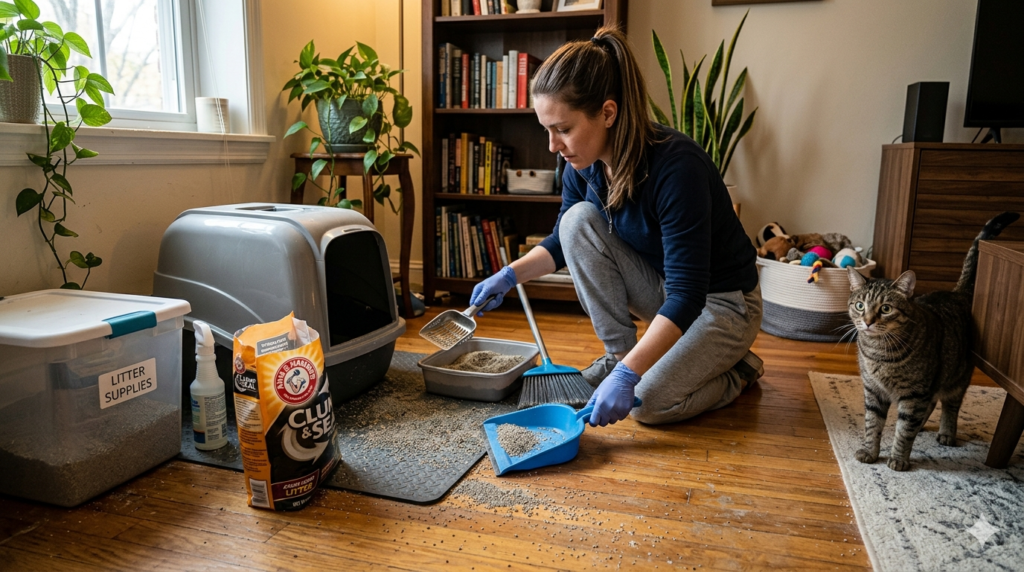
Let’s talk about what happens when things go wrong. I once took in a 3-year-old cat, Barnaby, from a hoarding situation. He was terrified and had never had a proper litter box experience. He peed on every soft surface beds, laundry piles, rugs.
Here’s what we did:
- Confine the Space: We started him in a large dog crate in a quiet room with food, water, a bed, and, of course, a pristine litter box. This small, safe space made the box the only logical option.
- Clean the Accidents Properly: Any accident outside the box must be cleaned with an enzymatic cleaner. Regular soaps can’t break down the uric acid crystals, which leave an odor that attracts the cat back to the same spot. This step is critical.
- Identify Stress: We realized the household commotion stressed him. We gave him his quiet sanctuary until he gained confidence.
- Vet Visit: First, always rule out medical issues. A urinary tract infection (UTI) or bladder crystals cause pain during urination, and the cat associates that pain with the litter box. A vet visit is essential if sudden litter box avoidance occurs.
Within a week of confinement and consistent cleaning, Barnaby was using his box reliably. It took patience, but it worked.
Ethical Considerations and Limitations
Never punish a cat for an accident. Rubbing their nose in it or yelling doesn’t teach them they don’t connect the punishment with the past action. It only makes them fearful and anxious, which worsens the problem. Positive reinforcement for correct behavior is the only effective and ethical method.
Also, understand that litter training fast is relative. Kittens often take a few days. An adult cat with no trauma may take a week. A rescued cat with a difficult past, like Barnaby, might need a month of dedicated management. The limit is always the cat’s individual history and stress level.
Building Trust and Moving Forward
Litter box training is your first major communication with your cat. It establishes a routine and builds trust. By providing a clean, safe, and accessible bathroom, you are meeting a fundamental need and showing your cat that their home is predictable and secure. This foundation of care translates to other aspects of your relationship.
The final, often overlooked tip: never put the litter box in the basement and forget about it. This is a shared responsibility. Making the box a pleasant place for your cat ensures a peaceful, clean home for you.
FAQs
Q: How long does it take to litter train a kitten?
A: Most kittens take between a few days to two weeks to be reliably trained. Consistency and following the steps above will speed up the process.
Q: Why is my cat suddenly not using the litter box?
A: Sudden avoidance almost always points to either a medical issue (like a UTI) or stress/anxiety. A vet visit is the first step. Then, look for changes in the home, new pets, or a dirty litter box.
Q: Can I use a covered litter box?
A: While some cats don’t mind, many feel trapped in covered boxes and prefer open ones. The cover also traps odors, which can deter use. It’s generally safer to start with an uncovered box.
Q: What should I do if my cat urinates outside the box on laundry or a rug?
A: Clean the item thoroughly with an enzymatic cleaner to completely eliminate the odor. Then, make that area less appealing (e.g., place food bowls there temporarily) and ensure your cat’s primary litter box is perfectly clean and accessible.