
Let’s be honest: the idea of a perfect daily routine for pets is a bit of a mirage. I’ve spent years consulting with veterinarians, observing behavior patterns, and walking alongside everyday pet parents, and if there’s one truth I keep circling back to, it’s that animals don’t run on calendars. They run on rhythm. A solid pet daily schedule isn’t about micromanaging every minute.
It’s about creating predictable anchors that make your companion feel safe, physically regulated, and mentally engaged. Whether you’re mapping out a dog routine, decoding a cat routine, or caring for a rabbit or bird, the skeleton stays surprisingly similar. It just bends to fit the creature in front of you.
Morning: Set the Tone Before the Rush
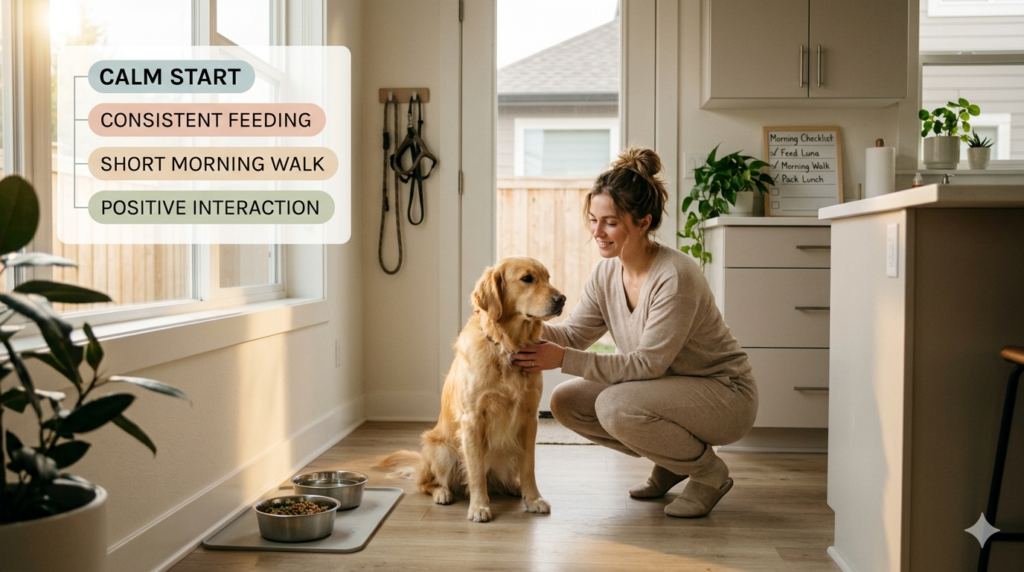
Mornings dictate the rest of the day. Most pets wake with the sun, or at least with your alarm. The first hour should cover three non-negotiables: bathroom, breakfast, and connection. For dogs, that means a quick leash walk or yard time before the coffee finishes brewing. Cats usually prefer a quiet litter box check and a small meal right after you’re up. I’ve watched too many owners skip this window, rushing out the door, only to deal with midday accidents or attention-seeking chaos later.
A consistent feeding schedule for pets does more than fill bellies. It regulates digestion, stabilizes blood sugar, and anchors their internal clock. If you’re using a smart feeder or a slow-eat bowl, wonderful. Just don’t let automation replace two minutes of eye contact and a gentle scratch behind the ears. That’s where the bond cements.
Midday: The Quiet Middle
Here’s where modern life complicates things. Hybrid work schedules are messy, commutes are back, and pets are left navigating long stretches alone. The midday block isn’t about constant activity. It’s about managed downtime. Dogs do best with a bathroom break around the four-hour mark, whether that’s a hired walker, a trusted neighbor, or a secure patio door. Cats, being naturally crepuscular, will snooze through the afternoon, but they still need environmental enrichment.
A sunlit window perch, a rotating toy selection, or a food-dispensing ball left out before you head out works wonders. I recently worked with a family whose terrier was chewing baseboards by 2 p.m. We didn’t add more walks. We added a frozen stuffed toy, a white noise machine, and a consistent “settle” cue on a mat. The destruction stopped in ten days. Mental stimulation for pets often matters more than extra mileage.
Evening: Wind Down, Don’t Wind Up
Evenings are for decompression. This is when you’ll layer in your pet exercise routine, but keep it species- and age-appropriate. A young shepherd might need a brisk 30-minute walk plus fetch. A senior cat might just want five minutes of wand play followed by a brushing session. Dinner should land roughly 10–12 hours after breakfast, giving the digestive system a predictable cycle.
After eating, shift into low gear. Nail checks, ear wipes, or even just sitting together on the floor signals that the day is closing. Pets read our nervous systems. If you’re frantic at 8 p.m., they’ll be pacing at midnight. A calm pet wellness routine at night improves sleep for everyone under the roof.
The Flexibility Factor (Where Most Routines Fail)
Rigidity backfires. I’ve seen well-meaning owners stress themselves sick trying to hit exact times, only to create anxious pets who panic when the schedule slips by twenty minutes. Consistency matters, but so does adaptability. Puppies and kittens need more frequent meals and bathroom breaks. Senior pets often require slower walks, joint support, and earlier bedtimes. Brachycephalic breeds overheat faster.
Indoor cats need vertical space and hunting simulations; outdoor-access cats need parasite prevention and safe curfews. A healthy pet habits framework should breathe. If your dog sleeps through a scheduled walk because it’s pouring rain, that’s fine. Swap it for indoor sniffing games or five minutes of trick training. The routine serves the pet, not the other way around.
A Quick Case in Point
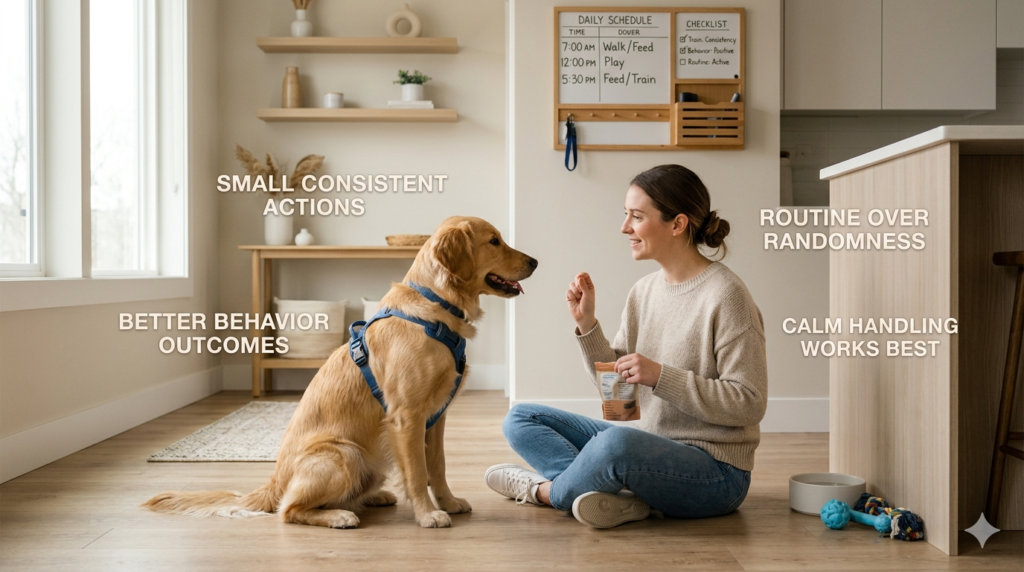
Take Maya, a three-year-old rescue greyhound I consulted with last fall. Her owner was exhausted, trying to force a high-energy dog routine onto a breed built for short sprints and marathon naps. We shifted her schedule: two 20-minute leash walks, one midday puzzle feeder, and a strict 9 p.m.
lights-out with a heated orthopedic bed. Within three weeks, Maya’s restlessness vanished. Her owner finally slept through the night too. The perfect routine wasn’t more activity. It was better alignment.
Boundaries & Realistic Expectations
No routine replaces veterinary care. If your pet’s appetite shifts, bathroom habits change, or they suddenly resist parts of their schedule, don’t push through. Book a checkup. Also, watch out for over-enrichment. I’ve visited homes so packed with rotating toys, training drills, and scheduled playdates that the animal never actually rests. Downtime isn’t laziness. It’s a physiological necessity.
And please, skip the guilt if your schedule isn’t Instagram-worthy. Real pet care looks like mismatched leashes, kibble spilled on the kitchen floor, and sometimes ordering takeout because you spent forty minutes untangling a cat from a window blind. That’s normal. That’s fine.
The Takeaway
The perfect daily routine for pets isn’t a rigid timetable. It’s a series of reliable touchpoints that meet physical needs, honor natural instincts, and leave room for the messy, beautiful reality of sharing your life with another species. Build the anchors. Watch how your pet responds. Adjust without panic. The best routine is the one you can actually sustain, day after day, without burning out. Your pet doesn’t need perfection. They need presence.
FAQs
Q: How many times a day should I feed my pet?
A: Most adult dogs and cats thrive on two meals spaced 10–12 hours apart. Puppies, kittens, and toy breeds often need three to four smaller meals. Always tailor portions to your vet’s recommendations.
Q: Can I skip a walk if my dog seems tired?
A: Yes. Rest days are healthy. Swap physical exercise for mental stimulation like sniff mats, gentle training, or food puzzles. Persistent lethargy beyond a day or two warrants a vet visit.
Q: Do cats really need a daily routine?
A: Absolutely. Cats are highly sensitive to environmental shifts. Consistent feeding times, clean litter boxes, and short daily play sessions dramatically reduce stress-related behaviors like overgrooming or hiding.
Q: What’s the best time to exercise my pet?
A: It depends on species and climate. Most dogs do best with morning and early evening walks to avoid midday heat. Cats are crepuscular, so dawn and dusk play sessions align with their natural hunting instincts.
Q: How long does it take to establish a new pet routine?
A: Usually 10–21 days for basic habits to stick, though rescues or older pets may need a month or more. Introduce changes gradually, reward calm compliance, and avoid overhauling everything at once.