
After sharing my home with cats for over fifteen years through playful kittens, dignified seniors, and every stage in between I’ve learned that reading a cat’s condition isn’t about checking off a list from a veterinary brochure. It’s about observing the small, daily patterns that reveal whether your feline companion truly thrives. Cats are remarkably skilled at masking discomfort, which makes understanding the subtle signs of wellness all the more important.
In this guide, I want to walk you through the most reliable indicators that your cat is both physically healthy and emotionally content. These insights come from years of watching my own cats Mochi, Shadow, and most recently, the chaotic little tornado we adopted last spring and from countless conversations with veterinarians and fellow cat enthusiasts.
Bright Eyes and a Curious Gaze
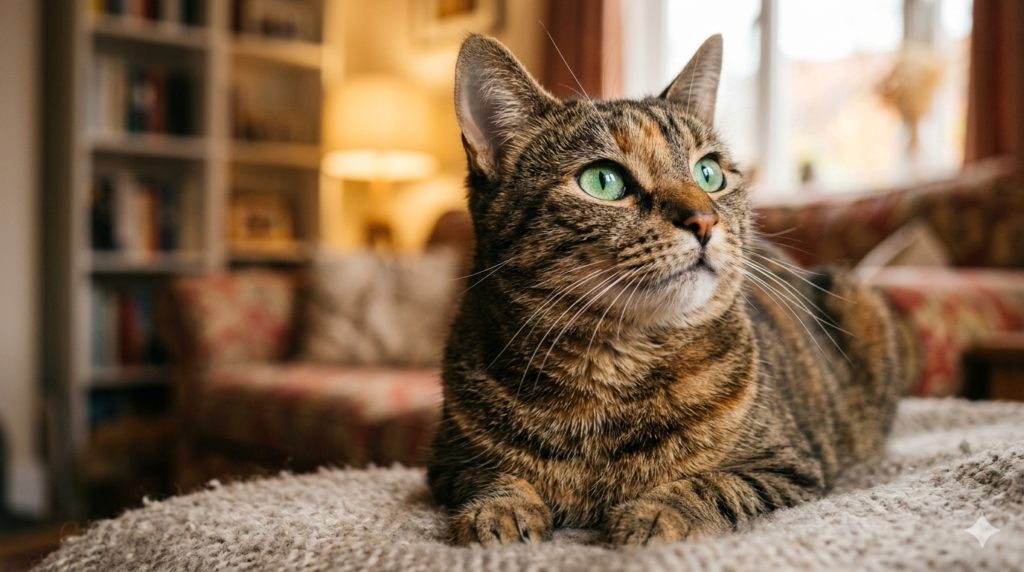
A healthy cat’s eyes should be clear, bright, and free from discharge. I’m not talking about the occasional sleepy moisture that collecting in the corners after a long nap that’s completely normal. What you want to watch for is persistent watering, cloudiness, or redness that seems to linger. When Shadow developed a slight squint one weekend, I assumed he’d just irritated his eye during one of his midnight zoom sessions. A quick vet visit confirmed conjunctivitis, caught early thanks to paying attention to those subtle changes.
Happiness in cats often shows up through their eyes too. A relaxed, happy cat will often give you a slow blink—that deliberate closing of eyes while looking at you which many behaviorists call a cat kiss. It’s their way of expressing trust and contentment. When Mochi settles onto my lap and slowly blinks while purring, that’s her telling me everything is right in her world.
Healthy Appetite with Sustainable Eating Habits
Here’s something many new cat parents don’t realize: a healthy cat doesn’t inhale food like a vacuum cleaner. While enthusiasm around mealtime is normal, truly healthy cats eat at a moderate pace and then move on to other activities. My current cat, Bitsy, used to scarf her food in seconds flat when we first adopted her—a behavior that stemmed from her uncertain start as a stray. Over months of patient feeding routines, she’s developed a much calmer approach, often taking breaks between bites.
Beyond appetite, pay attention to your cat’s weight and body condition. You should be able to feel but not see the ribs. A visible spine or protruding hip bones typically indicates weight loss that warrants attention, while a lack of waist definition might suggest your cat is carrying extra pounds. Feline obesity has become genuinely epidemic in recent years, with some studies suggesting over half of pet cats in certain regions are overweight. That extra weight stresses joints, hearts, and can lead to diabetes.
Active Play and Natural Curiosity
Cats weren’t designed to be couch potatoes, no matter how much they might enjoy napping in sunbeams. A healthy, happy cat maintains interest in their environment and engages in regular playful activity. This looks different at different life stages kittens practically vibrate with energy, while seniors might prefer shorter, more gentle play sessions but the engagement should be present. I keep a variety of toys accessible and rotate them weekly to maintain interest.
Feather wands, puzzle feeders, and even simple crumpled paper balls have all sparked genuine play sessions in my household. What I’m really looking for is that characteristic butt-wiggle before pouncing, the side-hopping with interactive toys, or the late-night crazies that cats seem to reserve for 2 AM. These behaviors indicate both physical capability and mental stimulation.
Clean, Well-Groomed Appearance
Cats are innately fastidious creatures, and a healthy cat maintains a clean, well-kept coat. While I’m not suggesting you inspect them daily, occasional observation reveals a lot. A cat who stops grooming leaving their coat ragged, matted, or dull is often signaling either physical discomfort or depression. Conversely, excessive grooming that creates bald patches can indicate anxiety or skin irritation.
Litter box habits offer additional insights that many cat parents overlook. Healthy cats produce urine regularly, and the clumps should be of appropriate size for your cat’s body. Straining to urinate, going outside the box, or producing unusually small amounts warrants immediate veterinary attention especially in male cats, where urinary blockages can become life-threatening within hours.
Confident Social Behavior and Relaxed Body Language
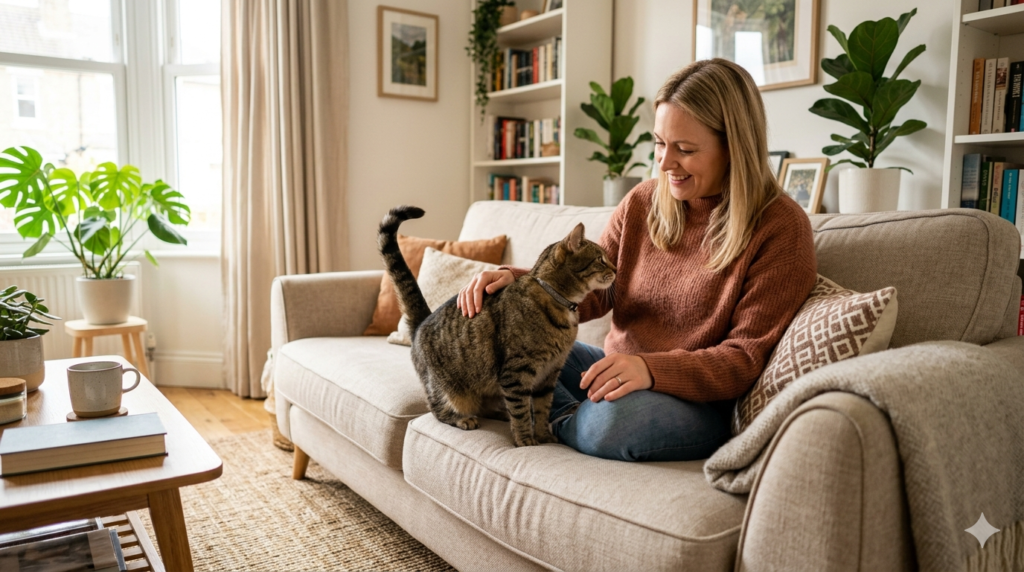
Understanding feline body language opened my eyes to new dimensions of cat happiness. A healthy, confident cat carries themselves with relaxed posture ears forward but not pinned back, tail held casually rather than tucked or puffed. When cats feel safe and content, they’ll often stretch out fully, expose their belly (though not always inviting belly rubs!), or curl into a loose, doughy ball. Social interactions tell their own story.
Happy cats seek appropriate interaction with their humans cuddling for warmth, following room to room out of curiosity, or engaging in gentle play. This doesn’t mean they need constant attention; rather, they balance independent exploration with connection. A cat who suddenly becomes aggressively withdrawn or conversely, overly clingy beyond their baseline personality, may be communicating something worth investigating.
Vocalizations That Match Their Personality
Every cat has their own vocabulary, and healthy cats use their voice purposefully. This might be the demanding meow at mealtime, the chirping at birds through the window, or the深夜 serenade that happens around 3 AM. What matters is that the vocalizations feel appropriate to your cat’s established personality.
Significant changes in vocalization patterns suddenly becoming very quiet when they were typically talkative, or vice versa can indicate health concerns. Hyperthyroidism, for instance, often makes older cats inexplicably ravenous and vocal. Changes in how your cat sounds when they breathe or vocalize can also signal respiratory issues that deserve attention.
Putting It All Together
The most accurate picture of feline health emerges from noticing patterns over time rather than from any single observation. Your baseline knowledge of what’s normal for your particular cat proves invaluable which is why paying attention during ordinary moments matters so much. Those daily interactions build your understanding of what’s typical, making deviations easier to catch.
That said, trust your instincts as a cat parent. If something feels off even if you can’t articulate exactly why it’s worth investigating. I’ve cancelled plans before because I noticed my cat hiding and showing subtle changes in behavior. Several times, that instinct led to early veterinary intervention that made meaningful differences in outcomes.
Final Thoughts
Watching for signs of health and happiness in cats isn’t about achieving perfection it’s about attunement. The cat who sleeps peacefully on your desk while you work, who greets you with a raised tail and a chirp, who maintains a healthy weight and shows interest in their world: that’s the cat who’s doing well. Your role isn’t to worry constantly but to notice, respond appropriately, and provide the foundation of good care: quality nutrition, mental stimulation, veterinary checkups, and most importantly your attention and presence. The bond you share with your cat becomes its own kind of health metric. A cat who trusts you enough to be genuinely themselves around you is already showing the most important sign of all.
FAQs
Q: How often should I take my cat to the vet for checkups?
A: Most cats benefit from annual veterinary examinations, though senior cats over ten years old or those with chronic conditions may need twice-yearly visits. Always consult your veterinarian about an appropriate schedule for your specific cat.
Q: What’s the single most important sign of cat happiness?
A: The slow blink when your cat looks at you and deliberately closes and opens their eyes is widely considered one of the strongest indicators of trust and contentment in cats.
Q: My cat sleeps all day is this normal?
A: Cats naturally sleep 12-16 hours daily, so significant sleeping is entirely normal. What matters is that they also show periods of activity, curiosity, and engagement when awake.
Q: Should I be worried if my cat groomed excessively?
A: Excessive grooming that creates bald patches or skin irritation isn’t normal and often indicates stress, allergies, or underlying pain. A veterinary visit can help identify the cause.
Q: How can I tell if my cat is in pain?
A: Cats mask pain exceptionally well, but watch for subtle changes: hiding more than usual, reluctance to jump or climb, changes in litter box habits, decreased appetite, or агgressive response when touched in areas that previously were fine. When in doubt, consult your veterinarian.