
Walking into a pet store to buy puppy food for the first time feels like standing in front of a cereal aisle designed by mad scientists. Bright bags scream about ancestral diets, superfoods, and probiotic miracles. I remember standing there fifteen years ago with an eight-week-old Golden Retriever pup tugging at my shoelaces, completely paralyzed by choice. Did she need grain-free? Was chicken bad? Was I supposed to feed her three times a day or just leave a bowl out? That dog Maggie lived to fourteen. Along the way, I raised four more puppies, fostered probably two dozen others, and made enough mistakes to learn what actually moves the needle on puppy nutrition. This guide is the roadmap I wish I’d had.
The Nutritional Blueprint
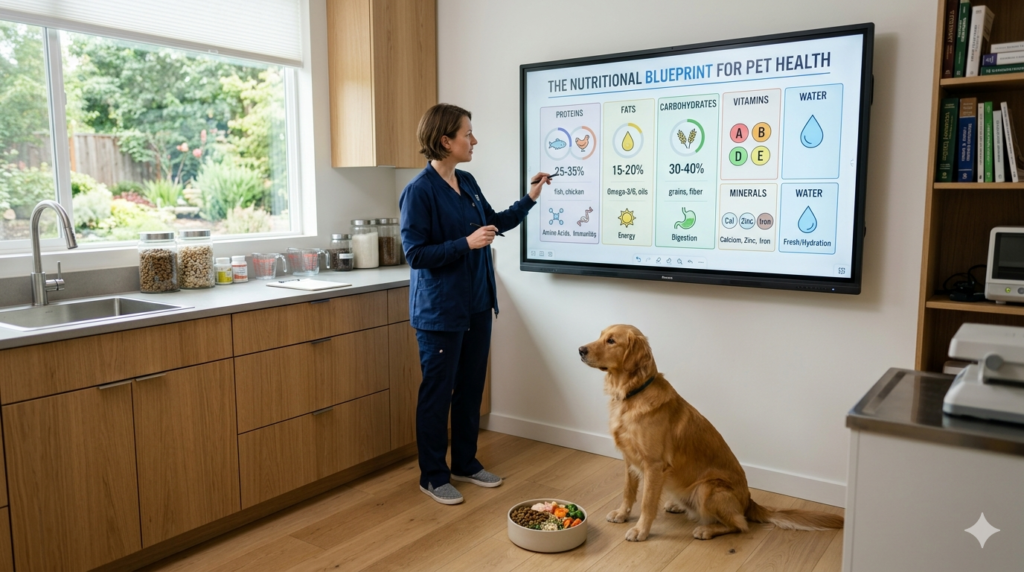
Puppy food exists for a reason, and it isn’t just a marketing upsell. During the first twelve months, a puppy’s body is building bone density, neural pathways, and muscle mass at a rate that would make an Olympic trainer dizzy. Their caloric needs per pound can be double that of an adult dog. More importantly, the nutrient ratios particularly calcium and phosphorus need to be precise. Too much calcium in a large-breed puppy, for instance, can accelerate bone growth in ways that outpace the supporting ligaments, setting the stage for pan osteitis or hip dysplasia down the road.
Look for an AAFCO nutritional adequacy statement on the bag. That little label means the food has been formulated or tested to meet the minimum requirements for growth and reproduction. It’s not glamorous, but it’s your safety net.
Size Really Does Matter
If there’s one mistake I see repeatedly, it’s owners feeding a Great Dane puppy the same formula they’d give a Yorkie. Large breed puppy food is specifically calibrated with lower calcium and phosphorus levels to moderate skeletal growth. I learned this the hard way with a foster Rottweiler whose previous owner had him on generic puppy chow. By six months, he was limping. The vet pointed to nutrition-induced growing pains. We switched to a large breed formula, and within weeks, the gait improved.
On the flip side, tiny breeds like Chihuahuas or Maltese have absurdly fast metabolisms and minuscule stomachs. They need calorie-dense kibble in smaller pieces, often requiring more frequent meals just to keep blood sugar stable. One size does not fit all.
Reading the Label Without a PhD
Flip the bag over. The ingredient list tells a story, though not always the one the front panel wants you to believe. I follow a simple rule: the first ingredient should be a named animal protein chicken, salmon, beef not vague meat meal or animal digest. Named meat meals, like chicken meal, are actually fine; they’re just concentrated protein with water removed. What makes me nervous? Excessive fillers like corn gluten meal listed in the top three, artificial colors (your dog doesn’t care if the kibble is shaped like a rainbow), and vague preservatives like BHA or ethoxyquin.
Then there’s the grain-free debate. Around 2018, grain-free diets were everywhere. By 2024, the conversation has shifted. The FDA’s investigation into diet-related dilated cardiomyopathy (DCM) linked certain grain-free, legume-heavy formulas to heart issues in breeds not typically prone to the disease. The data is still evolving, but most veterinary nutritionists now recommend grain-inclusive diets unless there’s a specific allergy and true grain allergies in puppies are rare. I’ve moved back to foods with wholesome grains like brown rice or oatmeal, and my current pup, a Border Collie mix named Juno, thrives on it.
Kibble, Canned, Fresh, or Raw?
Here’s where dog people start throwing punches. The truth is messier than the Facebook groups suggest. High-quality dry kibble remains the most practical choice for most owners. It’s cost-effective, shelf-stable, and the crunch does provide some mechanical cleaning for teeth though it’s no substitute for brushing. Canned food is excellent for hydration and palatability, especially if you’ve got a picky eater or a pup recovering from illness. The fresh, refrigerated diets that get delivered to your door? Some are fantastic, with human-grade ingredients. Others are glorified casseroles with unbalanced micronutrients.
If you go that route, ensure it’s formulated by a board-certified veterinary nutritionist. Raw diets are the third rail of puppy nutrition. I get the appeal; it feels primal and clean. But puppies have immature immune systems. The bacterial load in raw chicken salmonella, campylobacter isn’t theoretical. I’ve watched a six-month-old German Shepherd land in emergency care with a foodborne illness traced back to a raw diet. If you’re dead set on raw, work with a veterinary nutritionist. Don’t wing it based on a blog post.
Schedules, Scoops, and the “But He’s Still Hungry” Trap
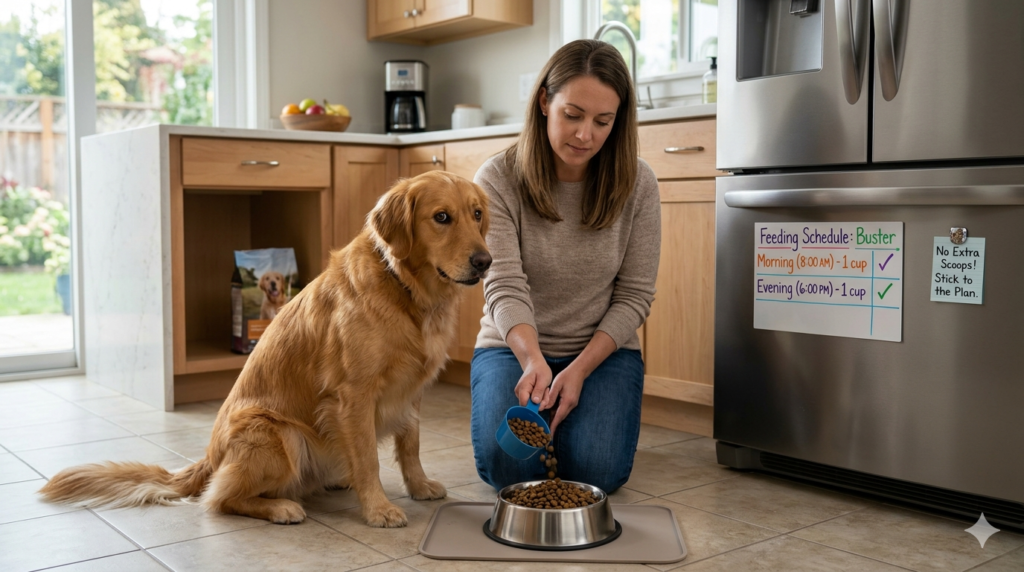
Free-feeding a puppy is like leaving a teenager alone with a pizza. It rarely ends well. Structured meals help with house training, prevent obesity, and let you monitor appetite a key health indicator. At eight to twelve weeks, aim for four meals a day. From three to six months, drop to three. After six months, most dogs do fine on two meals daily. Portion control is where good intentions collapse. The feeding chart on the bag is a starting point, not scripture.
I once fattened up a Beagle puppy by following the bag’s recommendation for his expected adult weight rather than his current weight. He looked like a furry sausage by four months. Now I use a measuring cup not a coffee mug, not a scoop from the bin and adjust based on body condition. You should feel ribs with slight pressure, not see them jutting out, and there should be a visible waist when viewed from above.
The Transition
Switching foods? Take ten days. Day one and two, mix 25% new with 75% old. Days three through five, go half and half. Days six through eight, 75% new. By day ten, you’re fully switched. I rushed this once with a rescue Lab and spent three nights cleaning diarrhea off hardwood floors. Patience isn’t just a virtue here; it’s a cleaning-product saver.
When to Stop Playing Nutritionist
Food is foundational, but it isn’t magic. If your puppy is lethargic, vomiting, failing to gain weight, or has persistent loose stool, stop tweaking the kibble and call your veterinarian. Parasites, congenital issues like liver shunts, or infections can mimic food intolerance. I’m a believer in owner education, but I’m not a vet. Neither are most Reddit commenters. Build a relationship with a professional you trust, and don’t let brand loyalty override medical advice.
Raising a puppy is equal parts joy and neurosis. The food you choose matters, but it doesn’t have to be perfect. It has to be appropriate for your dog’s size, backed by nutritional science, and served with consistency. Start there, and you’re already ahead of the game.
FAQs
Q: How much puppy food should I feed daily?
A: It depends on your puppy’s age, breed, and the specific food’s calorie content. Start with the manufacturer’s chart, then adjust based on body condition. When in doubt, ask your vet.
Q: Can I feed my puppy adult dog food?
A: Occasionally? Sure. As a staple? No. Adult food lacks the calorie density and precise mineral balance growing puppies need, especially large breeds.
Q: Is grain-free food bad for puppies?
A: Not inherently, but the current veterinary consensus leans toward grain-inclusive diets unless your puppy has a diagnosed grain allergy. The DCM concern remains unresolved enough to warrant caution.
Q: When should I switch to adult food?
A: Small breeds can usually transition around 10 to 12 months. Large and giant breeds often need puppy or all-life-stages formulas until 18 to 24 months. Check with your vet based on your dog’s growth plates.