
Feeding a pet seems simple until you realize how much health rides on that bowl. A shiny coat, steady energy, healthy weight, good digestion, and even behavior can all be shaped by what, when, and how a pet eats. And yet many well-meaning owners still fall into the same traps: too many treats, oversized portions, table scraps that add up, or trendy diets that sound healthier than they really are.
Good pet nutrition is not about chasing the most expensive brand or following every viral feeding trend. It is about understanding your animal’s needs and making practical, consistent choices that support long-term health.
Start with species-appropriate nutrition
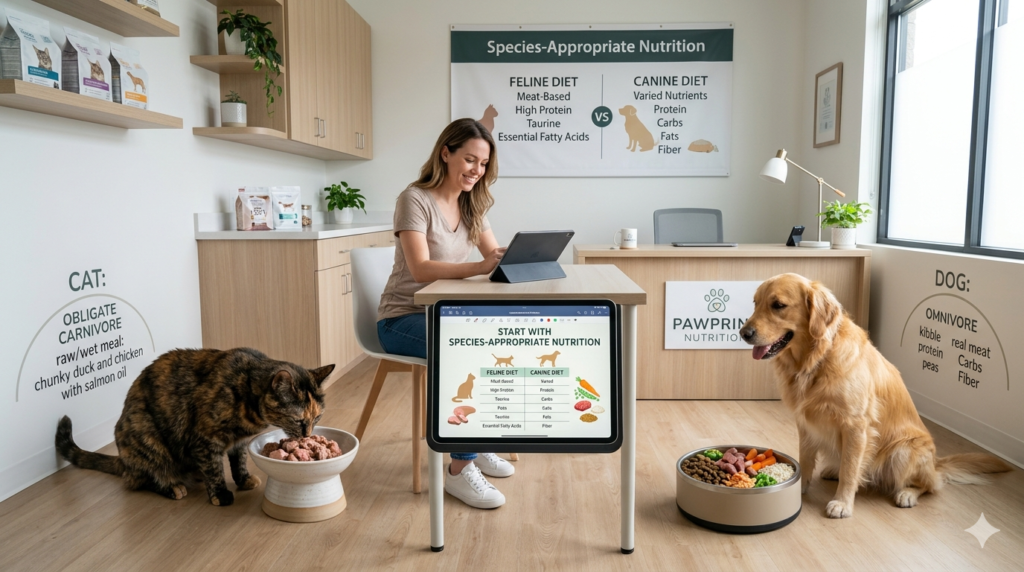
Dogs and cats do not have the same nutritional needs, and that matters more than many people realize. Cats are obligate carnivores. They need nutrients found primarily in animal tissue, including taurine. A diet that works fine for a dog may leave a cat nutritionally short. Dogs, on the other hand, are more flexible eaters, but that does not mean they can thrive on poor-quality food or endless leftovers.
A balanced commercial pet food labeled complete and balanced for the right life stage is usually the safest place to start. For most households, that means choosing food designed specifically for:
- Puppies or kittens
- Adult pets
- Senior pets
- Pets with medical needs, if prescribed
Homemade diets can work, but only when they are carefully formulated. This is where people often get into trouble. A chicken-and-rice routine may seem wholesome, but over time it can be missing key vitamins, minerals, and fatty acids. If you want to cook for your pet, do it with veterinary guidance, ideally from a board-certified veterinary nutritionist.
Portion control matters more than owners think
One of the most common pet feeding mistakes is overfeeding. It usually happens gradually. A little extra scoop here, a few biscuits there, some shared toast on a Sunday morning. Before long, a pet that looks well fed is actually overweight. Pet obesity remains a major health issue, and it raises the risk of arthritis, diabetes, heart strain, breathing issues, and reduced lifespan. In dogs, excess weight can worsen joint pain. In cats, it can make grooming harder and lead to subtle but serious mobility changes.
The serving guide on the bag is a starting point, not a rule carved in stone. A small, active dog may need more calories than a larger couch-loving one. Indoor cats typically need fewer calories than outdoor cats. The best approach is to:
- Measure food with a real measuring cup or kitchen scale
- Monitor body condition, not just body weight
- Adjust portions based on age, activity level, and health
A healthy pet should usually have a visible waist and ribs that can be felt without pressing too hard. If you are unsure, a vet can show you how to assess body condition in a minute or two.
Feed on a schedule, not by guesswork
Free-feeding works for some pets, but for many, scheduled meals are healthier and easier to manage. Feeding at consistent times helps with digestion, training, bathroom habits, and appetite monitoring. This is especially helpful for cats, who are good at hiding illness. If a cat suddenly stops eating or eats much less, that is easier to notice when meals are structured.
As a general guideline:
- Adult dogs often do well with two meals a day
- Puppies usually need three to four smaller meals
- Adult cats often benefit from two or more small meals daily
- Kittens need more frequent feeding
Routine also reduces begging behavior. Pets quickly learn when food is coming, which lowers the chance of all-day snack hunting.
Read the ingredient list, but do not obsess over marketing
Pet food marketing can be wildly persuasive. Natural, premium, ancestral, and human-grade sound impressive, but they are not always better indicators of quality than owners think. Instead of focusing only on buzzwords, look at the overall nutritional adequacy. Reliable brands typically invest in feeding trials, quality control, and veterinary nutrition expertise. That often matters more than whether the recipe includes blueberries, venison, or trendy ancient grains.
A few practical label tips:
- Choose food that matches your pet’s life stage
- Look for a statement that the food is complete and balanced
- Be cautious with dramatic health claims
- Ask your vet before switching to grain-free, raw, or boutique diets
This is one area where balanced thinking matters. Some pets do have food sensitivities, and some need specialized diets. But many pets are moved onto restrictive diets without a clear medical reason, which can create new problems while solving none.
Treats should stay in the “treat” category
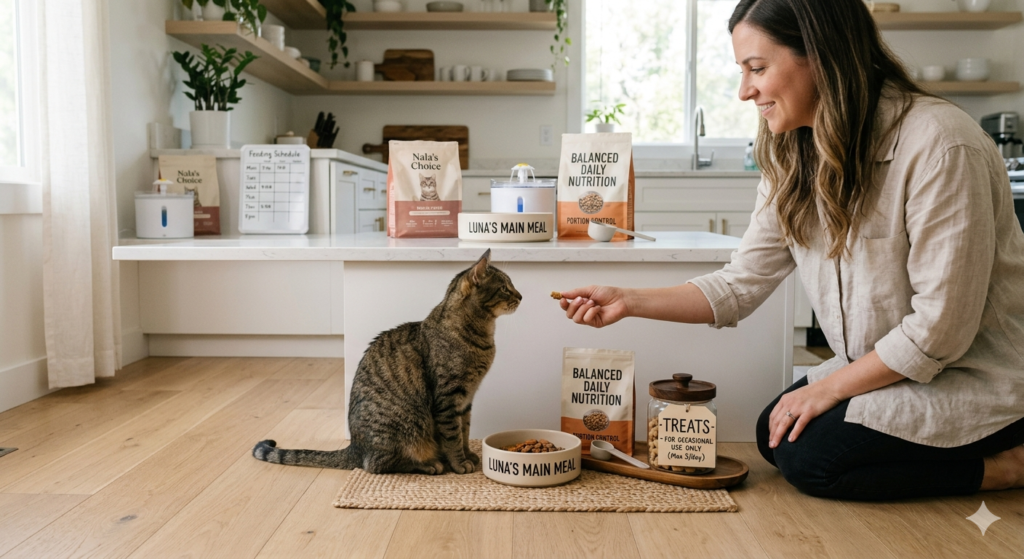
Treats are useful for training, bonding, and enrichment. They are also one of the fastest ways to accidentally wreck an otherwise healthy diet. A smart rule is to keep treats to about 10% or less of daily calories. That includes chew sticks, dental treats, table scraps, and those tiny just because rewards that somehow happen six times a day.
Healthier treat ideas include:
- Small pieces of cooked lean meat, plain and unseasoned
- Carrot slices for many dogs
- Vet-approved cat treats used sparingly
- Part of your pet’s regular kibble ration used for training
Avoid foods known to be dangerous, including chocolate, grapes, raisins, onions, xylitol, and cooked bones.
Do not ignore hydration
Water is easy to overlook because it seems obvious, but hydration is a huge part of pet health. Fresh, clean water should always be available. This is especially important in hot weather, in multi-pet homes, and for pets eating mostly dry food. Cats, in particular, can be low-volume drinkers. Many do better when they get some wet food in their diet, especially if they have urinary issues or are prone to dehydration. Water fountains also encourage some cats to drink more. For dogs, watch for increased thirst or decreased drinking, both of which can signal health problems. Sudden changes deserve attention.
Adjust feeding for age and health conditions
A puppy’s diet should not look like a senior dog’s, and a healthy young cat should not be fed like one with kidney disease. Life stage feeding is not just marketing; it reflects real differences in calorie needs, protein use, and nutrient balance. Senior pets often need closer monitoring, not necessarily less food across the board. Some older pets gain weight because they move less. Others lose weight due to dental pain, digestive issues, thyroid disease, or chronic illness.
If your pet has any of these conditions, feeding should be part of the treatment plan:
- Diabetes
- Kidney disease
- Food allergies
- Pancreatitis
- Urinary tract issues
- Obesity
- Dental disease
This is where generic feeding advice stops being enough. A tailored plan can make a visible difference in quality of life.
Make food changes slowly
Switching food too quickly is a classic recipe for stomach upset. Even a good new diet can cause diarrhea, vomiting, or refusal to eat if introduced all at once.
A gradual transition over 7 to 10 days usually works best:
- Days 1–2: 75% old food, 25% new
- Days 3–4: 50% old, 50% new
- Days 5–6: 25% old, 75% new
- Day 7 onward: 100% new food
Some sensitive pets need an even slower pace.
Watch the pet, not just the bowl
The best feeding plan is the one that produces a healthy, thriving animal. Good signs include:
- Steady energy
- Healthy body condition
- Regular stools
- A shiny coat
- Good appetite without frantic hunger
- Normal drinking habits
If something changes, pay attention. Persistent itchiness, ear infections, loose stools, weight gain, weight loss, or sudden pickiness can all be clues that your pet’s diet needs a closer look. At the end of the day, feeding well is less about perfection and more about consistency. A balanced diet, measured portions, sensible treats, and regular check-ins with your vet will do more for your pet’s health than any fad ever could.
FAQs
Q: How often should I feed my dog?
A: Most adult dogs do well with two meals a day. Puppies usually need more frequent meals.
Q: Is wet food better than dry food for cats?
A: Wet food can help with hydration and may benefit many cats, especially those with urinary concerns.
Q: Can I give my pet table scraps?
A: Occasionally and carefully, maybe but many scraps are too fatty, salty, or unsafe. It is best to keep them minimal.
Q: How do I know if I am overfeeding my pet?
A: Weight gain, loss of waist definition, and difficulty feeling the ribs are common signs.
Q: Are grain-free pet foods healthier?
A: Not necessarily. Grain-free diets are only helpful in specific cases and should not be chosen just because they sound healthier.
Q: Should I try a homemade pet diet?
A: Only with professional guidance. Homemade diets can be excellent, but they are easy to get wrong nutritionally.
Q: What is the healthiest treat for pets?
A: Small, simple treats in moderation are best. Use low-calorie, species-appropriate options and keep total treats limited.