
Bonding with a pet is one of those things that sounds simple until you actually try to do it well. People often assume love is enough, and to be fair, love matters a lot. But real connection with an animal usually grows through consistency, trust, shared routines, and understanding the way that specific animal experiences the world.
I’ve spent years around dogs, cats, rescue animals, and nervous pets adjusting to new homes, and one thing becomes obvious very quickly: bonding is not about forcing affection. It’s about making your pet feel safe, understood, and included. Whether you have a playful puppy, a cautious rescue cat, an older rabbit, or even a parrot with a strong personality, the best ways to bond with your pet tend to come down to the same core principles.
Start with trust, not attention
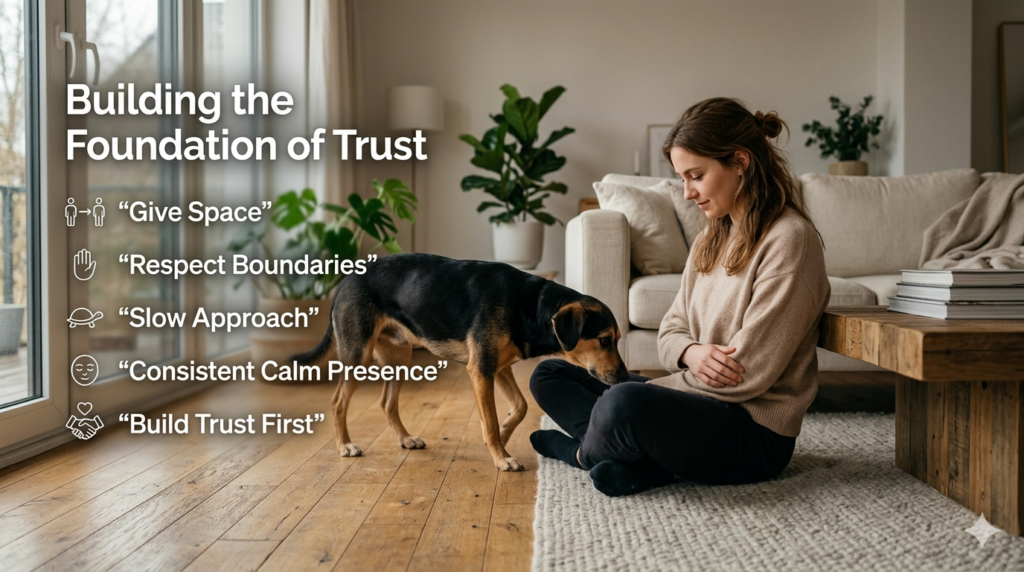
Many pet owners make the mistake of trying to speed up attachment. They pick up the new cat too often, crowd the shy dog, or constantly try to pet an animal that is still reading the room. To humans, that seems loving. To animals, it can feel overwhelming. Trust is the foundation of pet bonding. If your pet learns that you respect boundaries, move predictably, and respond calmly, connection starts to happen naturally. With some animals, especially rescues or pets with difficult histories, this stage can take time.
A friend of mine adopted a dog who had clearly been under-socialized. For the first two weeks, the dog avoided direct eye contact and flinched at fast movements. Instead of pushing interaction, she sat on the floor nearby while reading, offered treats gently, and kept a reliable feeding and walking schedule. By week three, the dog started approaching on his own. That was the turning point. Trust came first, affection followed.
Learn your pet’s communication style
One of the best ways to bond with your pet is to pay attention to how they communicate. Dogs, cats, and small animals all express comfort and stress differently. A wagging tail does not always mean happiness. Purring does not always mean a cat wants to be touched. A rabbit freezing in place is not being calm ; it may be frightened. Bonding improves dramatically when owners learn body language. Look for subtle cues:
- Dogs may show trust by leaning against you, softening their eyes, or bringing you a toy.
- Cats may bond through slow blinking, sitting near you, or following you from room to room.
- Birds may chatter softly, preen in your presence, or step up willingly.
- Small pets like guinea pigs and rabbits often show comfort by eating near you or relaxing while you’re close.
When you respond appropriately to these signals, your pet starts to see you as someone who gets it That matters more than many people realize.
Use routine to create security
Pets thrive on routine. Regular meal times, walks, play sessions, and quiet periods help animals feel secure, and security is essential for attachment. A pet that knows what to expect from you is more likely to relax and form a deeper bond. This is especially true for dogs. Daily walks are not just exercise; they are relationship-building time. A calm, predictable walk teaches your dog that you are a steady presence in their life. The same goes for cats.
A few minutes of interactive play at roughly the same time each day can become a meaningful ritual. Routine also helps in multi-pet households, where animals may feel competitive or uncertain. Structured feeding, separate safe spaces, and one-on-one attention can reduce tension and improve overall trust.
Play in a way your pet actually enjoys
Play is one of the fastest and most natural ways to bond with your pet, but only if you match the activity to the animal. This sounds obvious, yet many owners choose what looks fun to them rather than what feels engaging to their pet. Dogs often bond through fetch, tug, scent games, training games, or simply exploring new walking routes. Cats usually prefer short bursts of prey-like play with wand toys, tunnels, and chase games. Rabbits may enjoy obstacle exploration. Birds often benefit from problem-solving toys and social interaction.
I’ve seen owners say, My cat isn’t playful, when what they really mean is that the cat ignores one specific toy. Switch to a feather wand, move it like prey rather than waving it randomly, and suddenly the cat comes alive. That shared excitement becomes part of the relationship. The key is engagement, not entertainment. Your pet should feel mentally involved, not just stimulated.
Train with patience and positive reinforcement
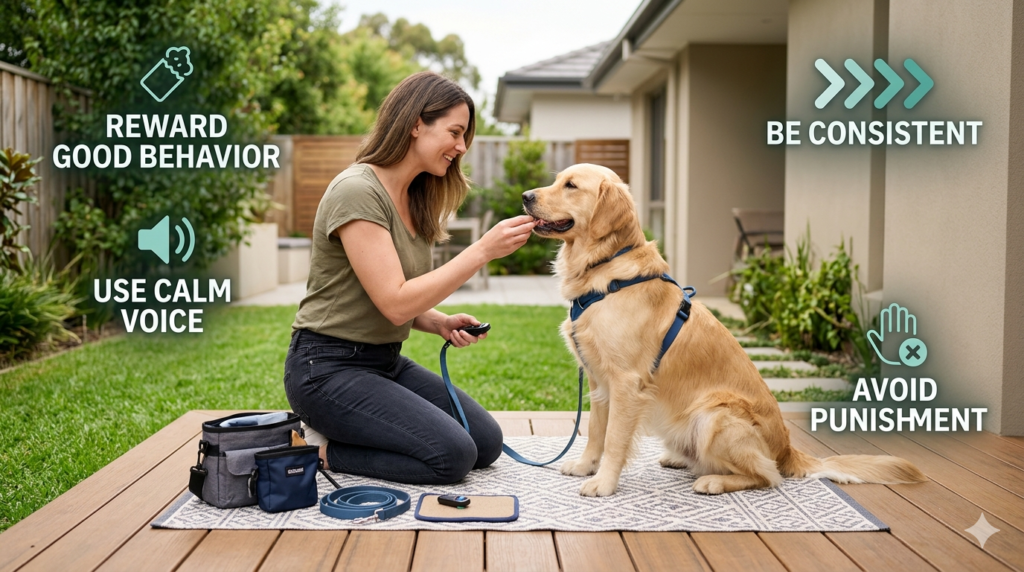
Training is deeply underrated as a bonding tool. Done well, it is not about control. It is communication. It tells your pet that paying attention to you leads to good things and that learning can be safe and rewarding. Positive reinforcement training is generally the most effective and relationship-friendly approach. Reward wanted behavior with treats, praise, play, or access to something your pet values. Keep sessions short and clear.
Teaching a dog sit, stay, or recall builds trust because the dog learns that your cues are consistent and fair. Teaching a cat to target a stick or come when called can have a similar effect. Even basic handling practice, like helping your pet feel comfortable with brushing or nail trims, can strengthen your bond if approached gradually. Harsh corrections may produce compliance in the moment, but they often damage trust. If your goal is a close relationship, fear is not a shortcut worth taking.
Make physical affection earned, not assumed
Physical touch can be a powerful bonding experience, but it has to be welcomed. Some pets love cuddles. Others prefer proximity over contact. Many enjoy affection on their own terms. Pay attention to where and how your pet likes being touched. Dogs often enjoy chest rubs or shoulder scratches more than head pats.
Many cats prefer cheek rubs and gentle strokes along the back, but not belly touches. Birds and small mammals can be even more particular. A bonded pet is not necessarily a clingy pet. Sometimes trust looks like a cat napping nearby or a dog resting at your feet rather than in your lap. That still counts.
Spend quiet time together
One of the most overlooked ways to bond with your pet is simply being present without demanding interaction. Sit in the same room. Let them observe you. Invite closeness without pressure. This matters a lot for anxious or independent animals. Quiet companionship teaches them that your presence is safe and calm.
Over time, many pets begin initiating contact precisely because they don’t feel forced. In busy households, this can be surprisingly healing. Ten calm minutes on the couch, phone down, TV low, just existing together, often does more for a relationship than constant noise and stimulation.
Respect species-specific needs
A strong human-animal bond is easier when the animal’s welfare needs are being met properly. That means enough exercise, enrichment, sleep, nutrition, veterinary care, and space. Pets do not bond well when they are chronically bored, stressed, in pain, or misunderstood. This is where ethical pet ownership becomes part of bonding. A parrot denied mental stimulation may scream or pluck feathers.
A dog left alone too long may become destructive. A cat without vertical space may seem withdrawn or irritable. These are not bad pets. They are often animals whose needs are not aligned with their environment. Meeting those needs is an act of love, and pets seem to know it.
Be patient with the timeline
Some pets bond in days. Others take months. Age, temperament, early socialization, health, and past trauma all influence the process. Comparing your pet to someone else’s is rarely helpful. If your pet is eating well, relaxing more, approaching you voluntarily, and showing small signs of trust, progress is happening. Bonding is often gradual and uneven.
A setback after a loud event, house move, or vet visit does not erase the relationship. The best pet-owner bonds are not built through grand gestures. They are built in ordinary moments repeated with care.
FAQs
Q: How long does it take to bond with a pet?
A: It depends on the animal. Some bond in days, others may take weeks or months.
Q: What is the fastest way to bond with a dog?
A: Consistent routine, positive training, daily walks, and calm play usually work best.
Q: How do you bond with a shy cat?
A: Give space, use interactive play, offer treats, and let the cat approach first.
Q: Can older pets still bond deeply with new owners?
A: Yes. Older pets may take longer, but they can form very strong attachments.
Q: Does sleeping near your pet help bonding?
A: Sometimes, if the pet is comfortable with it. It should never be forced.