
Pet weight management is one of those topics that sounds simple until you’re actually standing in the kitchen, measuring kibble while your dog looks at you like you’ve betrayed the family. Or trying to figure out why your indoor cat, who barely leaves the couch, keeps gaining despite not eating that much. In reality, managing your pet’s weight takes more than cutting back food. It’s a mix of portion control, exercise, routine, veterinary guidance, and a little honesty about how many treats are really necessary.
Over the years, one thing becomes very clear: pet obesity is not just a cosmetic issue. Extra weight can shorten a pet’s life, make arthritis worse, raise the risk of diabetes, and reduce energy and mobility. The good news is that healthy pet weight loss is usually achievable with a steady plan rather than extreme restrictions.
Why Pet Weight Matters More Than Many Owners Realize
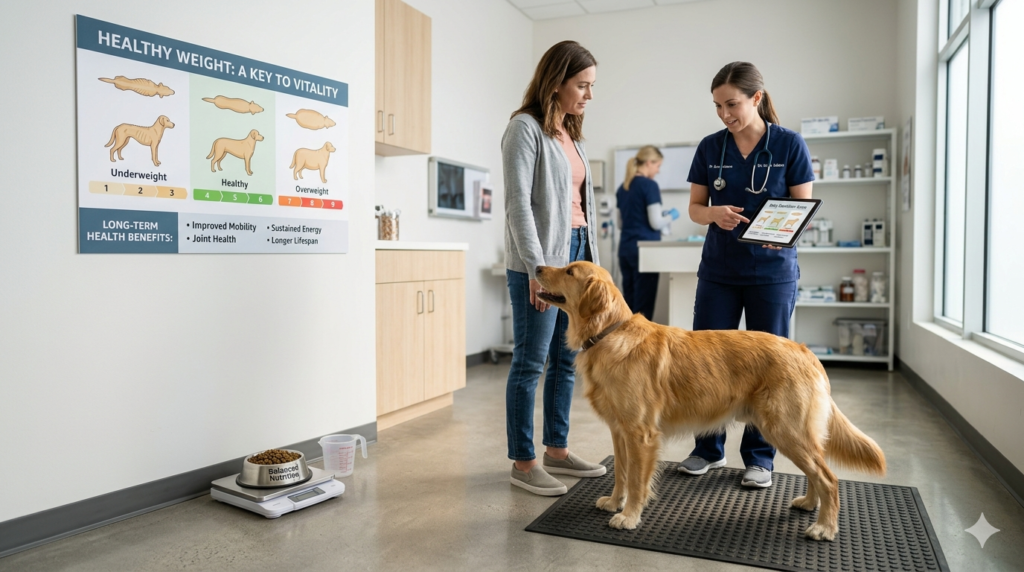
A few extra pounds may not look dramatic on a Labrador or a domestic shorthair cat, but for pets, those pounds add up fast. A small dog carrying even 2 or 3 extra pounds can be dealing with a meaningful increase in body stress. In larger breeds, excess weight often hides in plain sight until the dog starts slowing down on walks or struggles to get into the car.
I’ve seen a pattern repeat itself in many homes: the pet seems “happy,” so the weight gain gets overlooked. But pets are adaptable. They keep following routines and asking for food even when their joints are aching or their stamina is fading. That’s why regular body condition checks matter more than guessing by eye alone.
Start with a Vet Visit and a Baseline
Before making major changes to your pet’s diet, it’s smart to schedule a veterinary exam. A vet can rule out medical causes of weight gain, such as hypothyroidism in dogs or certain hormonal issues, and help you establish a safe target weight. One of the most useful tools is the body condition score. This is a hands-on assessment that looks at whether ribs can be felt easily, whether there’s a visible waist, and whether abdominal fat is present.
It’s often more accurate than a scale alone because body composition matters. Your vet may also recommend a weight-loss goal, a calorie target, and a timeline. That timeline is important. Safe pet weight loss is gradual. Crash dieting is risky and can cause nutrient deficiencies, especially in cats.
Measure Food Instead of Guessing
This is where most weight problems begin: free-pouring food into a bowl and calling it a day. A cup in pet food terms is often not the same as a real measuring cup, and eyeballing portions can lead to overfeeding by a surprising amount. Use an actual measuring cup or a kitchen scale. If you’re feeding dry kibble, weigh it for consistency. If you feed wet food, check the calories per can or pouch.
Many pet owners are shocked when they compare the amount they’re feeding to the recommended calorie intake. Packaging guidelines are helpful, but they’re often broad and may overestimate what a less active pet needs. Also, be careful with multiple feeders in the house. One person may be strict, while another slips in extra snacks without realizing the impact.
Don’t Forget Treats and Table Scraps
Treats are one of the biggest hidden sources of calories in pet weight management. A few biscuits here, a piece of cheese there, and suddenly the small snack is equivalent to a mini-meal. A practical rule: treats should make up only a small portion of daily calories. If you use treats for training, break them into tiny pieces. Many dogs are perfectly happy with pea-sized bits if the reward is paired with praise and consistency.
For cats, a few kibbles from their daily ration can be used as treat substitutes. Table scraps are even trickier. Human food tends to be calorie-dense and less predictable. Some foods are also unsafe for pets, so this is one habit worth tightening up. If your pet begs at the table, it helps to establish a set feeding routine and avoid reinforcing the behavior with just one bite.
Build More Movement Into Daily Life
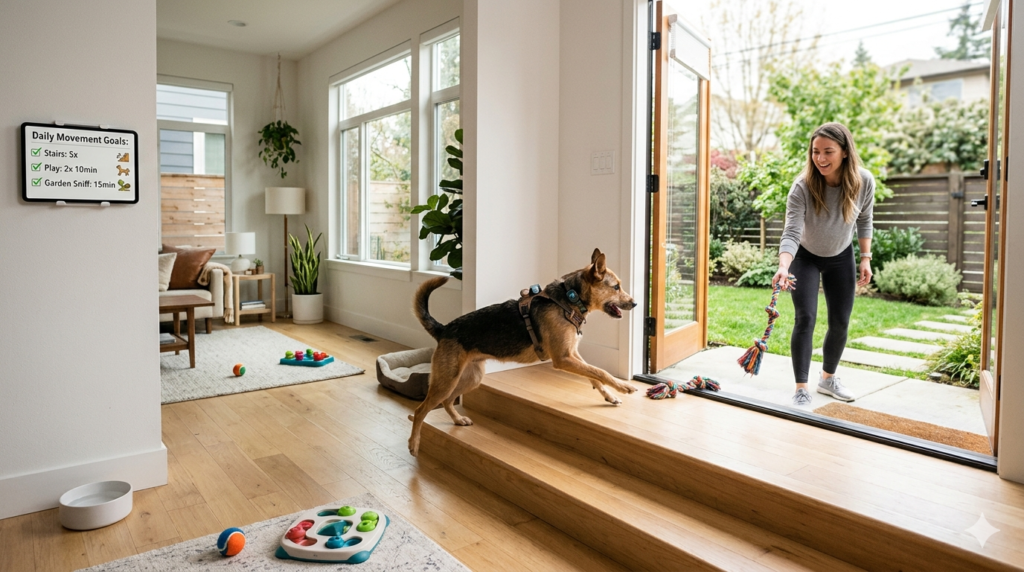
Exercise is essential, but it should be realistic and tailored to the pet. A healthy, energetic dog may benefit from longer walks, fetch sessions, or swimming. A senior dog or an overweight pet with joint pain may need short, frequent walks instead of one long outing. For cats, weight management often means increasing activity indoors. Wand toys, laser play in moderation, climbing shelves, treat puzzles, and short bursts of chasing games can all help. The key is consistency.
A five-minute play session twice a day is better than waiting for a rare weekend burst of energy. One cat owner I’ve seen do this well built a routine around hunt, eat, rest cycles. She used a wand toy to mimic hunting, then fed a measured meal afterward. Her cat became more active, less food-obsessed, and lost weight gradually without drama. That kind of routine works because it matches a cat’s instincts.
Choose the Right Diet for Weight Loss
Not all pet foods are created equal when it comes to fat loss. Some formulas are designed for weight management in dogs and cats and provide fewer calories while keeping protein higher, which helps preserve lean muscle. That’s important. The goal isn’t just to make the scale go down; it’s to help the pet lose fat while staying strong. If your pet is always hungry on a lower-calorie plan, ask your vet about switching to a diet with higher fiber or better satiety.
Sometimes a small adjustment in food type makes the program much easier to maintain. Be cautious about suddenly changing foods too quickly. A transition period helps prevent stomach upset. And remember: more expensive does not automatically mean better for weight control. The right formula depends on your pet’s health, age, and activity level.
Track Progress, Not Perfection
Weight loss can be frustrating because progress is slow. Pets should not be losing large amounts in a short time. A steady trend is the goal. Weigh your pet regularly, ideally every 2 to 4 weeks, and keep a simple log. If you don’t have a home scale that works well, many clinics offer quick rechecks. Also pay attention to non-scale wins: easier movement, more interest in play, less panting, better stamina, and improved grooming in cats.
These changes matter just as much as the numbers. If the plan stalls, don’t immediately slash calories again. First review treats, portion accuracy, and exercise consistency. Small leaks in the plan are often the real issue.
Common Mistakes to Avoid
A few habits can quietly undermine even a good weight-loss plan:
- Feeding by guess instead of measuring
- Using too many treats during training
- Switching diets without veterinary guidance
- Expecting fast results
- Ignoring exercise because the pet hates walks
- Free-feeding pets with weight problems
For cats in particular, never force dramatic food restriction without professional advice. Cats can be at risk for serious liver problems if they lose weight too quickly.
A Balanced, Sustainable Approach Wins
The healthiest pet weight management plans are the ones owners can actually stick with. That means realistic portions, a feeding schedule, regular movement, and a few honest adjustments in the household. If everyone in the home is on the same page, results come much faster.
The bigger picture is worth remembering, too. Helping a pet lose weight isn’t about making them look slimmer for the sake of it. It’s about giving them a longer, more comfortable life. A leaner pet often moves more easily, plays more, and simply seems happier in day-to-day life.
FAQs
Q: How do I know if my pet is overweight?
A: Check for a visible waist, feel for ribs, and ask your vet for a body condition score.
Q; How fast should my pet lose weight?
A: Slowly and steadily, under veterinary guidance. Rapid loss can be unsafe, especially for cats.
Q: Can I just feed less of the same food?
A: Sometimes, but not always. Some pets do better on a weight-management diet.
Q: Are treats okay during weight loss?
A: Yes, in small amounts. Keep them limited and account for the calories.
Q: What if my pet is always hungry?
A: Talk to your vet about a more filling food, more fiber, or better meal timing.
Q: Do indoor cats need exercise too?
A: Absolutely. Indoor cats often need daily play to prevent weight gain.
Q: Should I use a human weight-loss diet for my pet?
A: No. Pets need species-appropriate nutrition tailored to their health needs.