
If you’ve ever come home late from work, slept through your alarm, or tried to take a weekend trip without begging a neighbor to feed your pet, you already understand the appeal of an automatic pet feeder. I’ve spent the better part of a decade testing pet tech in real homes everything from budget feeders for apartment cats to heavy-duty, app-connected dispensers for multi-dog households. And I can tell you this: the best automatic pet feeder isn’t a single product. It’s the one that matches your pet’s habits, your schedule, your budget, and this part matters more than most people think your tolerance for maintenance and troubleshooting.
Why Automatic Pet Feeders Have Become So Popular
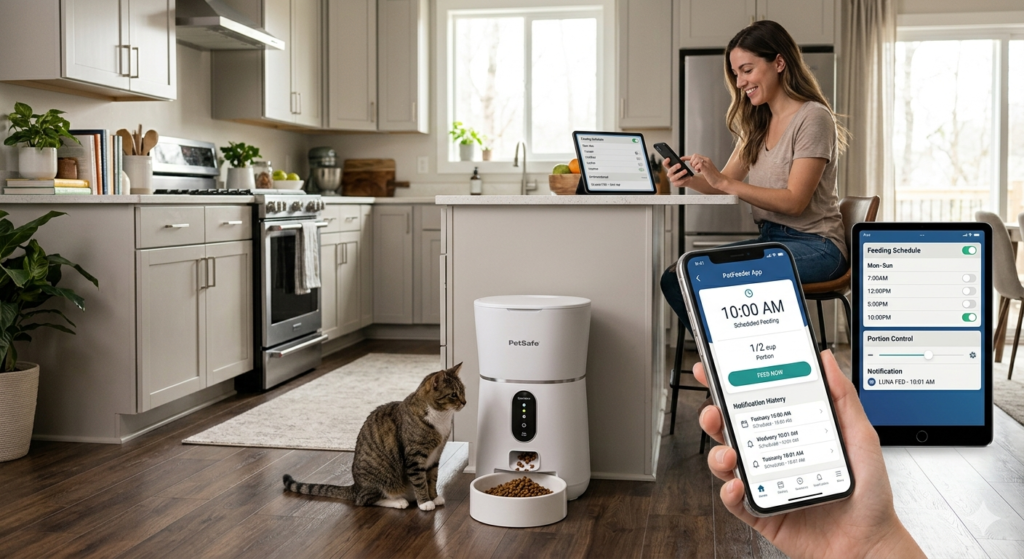
In the last few years, automatic feeders have gone from niche gadgets to mainstream pet essentials. With more people working hybrid schedules, traveling for short trips, and relying on smart home devices, it makes sense that pet owners want more control over feeding routines. A good feeder can help with portion control, reduce begging behaviors, support weight management, and give pets a steadier rhythm especially cats, who often do best with multiple small meals throughout the day.
But here’s the honest truth: an automatic feeder is not a substitute for human care. It can’t notice that your dog suddenly lost appetite, that your cat is drinking more water than usual, or that food is stuck in the mechanism because someone (I’m looking at you, enthusiastic Labrador) knocked the unit sideways. It’s a tool, not a caretaker.
Types of Automatic Pet Feeders (And Who They’re Best For)
1) Gravity Feeders
These are the simplest: food falls into a bowl as it empties. They’re inexpensive and don’t require power, which is a plus. But they’re also the least precise. If your pet tends to overeat, a gravity feeder can quietly sabotage your best intentions. I once watched a friend’s beagle empty a “three-day supply” in about eight hours. Lesson learned.
2) Programmable Portion-Control Feeders
These are the workhorses of the category. You set meal times and portion sizes, and the machine dispenses kibble accordingly. They’re ideal for pets on strict diets, multi-cat homes where one cat is a food thief, or owners who want consistency. Many models now include backup batteries, which I consider non-negotiable after seeing a power outage ruin a carefully planned feeding schedule.
3) Smart Wi‑Fi Feeders
These connect to an app so you can schedule meals remotely, check feeding history, and sometimes even trigger a manual feed when you’re stuck in traffic. They’re great for tech-comfortable households, but they do introduce complexity: app updates, Wi‑Fi glitches, and the occasional feed failed to dispense notification at 6 a.m. If you’re buying one, prioritize models with local controls (buttons on the device) so you’re not stranded if your internet goes down.
4) Wet Food Automatic Feeders
These are trickier. Wet food spoils faster, so many of these feeders include cooling packs or refrigeration compartments. In my experience, they can work well for short absences, but they require more cleaning and more vigilance. If you’re feeding wet food exclusively, talk with your veterinarian first about food safety and whether timed wet feeding is appropriate for your pet’s health.
Real-World Case Study: Two Homes, Two Very Different Outcomes
Case A: The Multi-Cat Apartment
Mina lives in a small apartment with three cats, one of whom is on a prescription urinary diet. She tried free-feeding first (disaster), then a gravity feeder (even worse). She finally landed on a programmable feeder with micro-portion control and a covered food bowl. It wasn’t cheap, but it stopped the food bullying, kept the special diet separate, and reduced stress for everyone including Mina.
Case B: The Big-Dog Household
Carlos has two high-energy shepherd mixes. He bought a Wi‑Fi feeder because he liked the idea of checking meals from his phone. The first unit he chose had a narrow chute that jammed with the large kibble his dogs required. After two weeks of frustration (and a few early-morning wake-up calls), he switched to a feeder designed for large kibble and added a simple camera nearby so he could verify meals visually. Problem solved—but only after he learned the hard way that kibble size matters.
What to Look For (And What to Avoid)
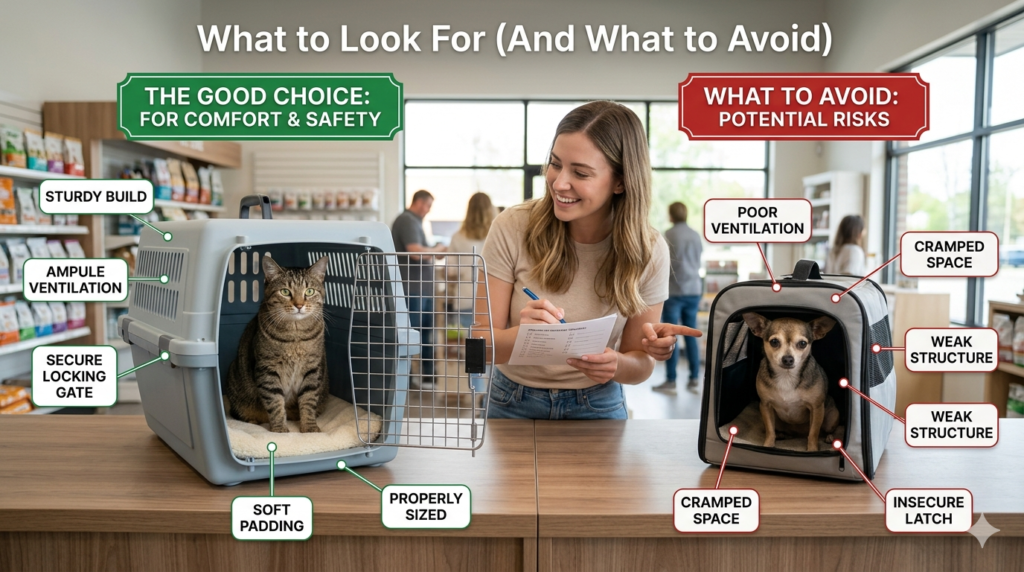
- Food compatibility: Check kibble size range, shape, and whether the feeder can handle your brand without jamming.
- Portion accuracy: Look for models with clearly adjustable portions and reliable reviews about consistency.
- Power backup: Batteries or a battery compartment can save you during outages.
- Ease of cleaning: If it’s hard to take apart, you won’t clean it often enough and that’s a hygiene risk.
- Security features: Pets are clever. A determined dog can tip, paw, or pry open a poorly designed lid.
- Customer support and warranty: When something breaks (and eventually, something always does), responsive support matters.
Ethical and Safety Considerations
An automatic feeder can improve welfare, but only when used responsibly. Don’t use it to leave a pet alone for longer than is safe, appropriate, and legal in your area. Puppies, kittens, senior pets, pets with medical conditions, and anxious animals may need more supervision than a feeder can provide. And always keep fresh water available feeding schedules don’t replace hydration needs.
FAQs
Q: Can automatic pet feeders replace a pet sitter?
A: Not entirely. They’re great for short absences, but they can’t respond to illness, accidents, or emergencies.
Q: Are automatic feeders safe for cats?
A: Usually, yes especially programmable models. But cats can be mischievous, so choose a sturdy, tip-resistant design.
Q: Do smart feeders work without Wi‑Fi?
A: Many do, using onboard programming and buttons, but features like remote feeding and notifications often require an internet connection.
Q: How often should I clean an automatic feeder?
A: Ideally once a week, and immediately if you notice crumbs, oil buildup, or any stale smell.
Q: What’s the best automatic pet feeder for large dogs?
A: Look for one with a wide dispensing chute, large kibble compatibility, strong anti-tip construction, and battery backup.