
There’s a quiet heartbreak in watching your loyal companion shift restlessly. I remember it with my old golden retriever, Rusty. On sweltering August afternoons, he’d circle his plush, faux-fur bed, pant, and finally flop onto the cool kitchen tiles. Come January, he’d nudge the same bed with his nose, looking for a warmth that wasn’t there, eventually burrowing into a pile of my laundry. That was my wake-up call: a pet’s bed isn’t a one-size-fits-all, one-season-fits-all accessory. It’s a critical piece of their wellness toolkit. After years of observing pets, talking to vets, and testing far too many products, I’ve learned that finding a truly all-season bed is less about a magic material and more about smart, layered design.
The Science of Snuggle: Why Seasonality Matters More Than You Think
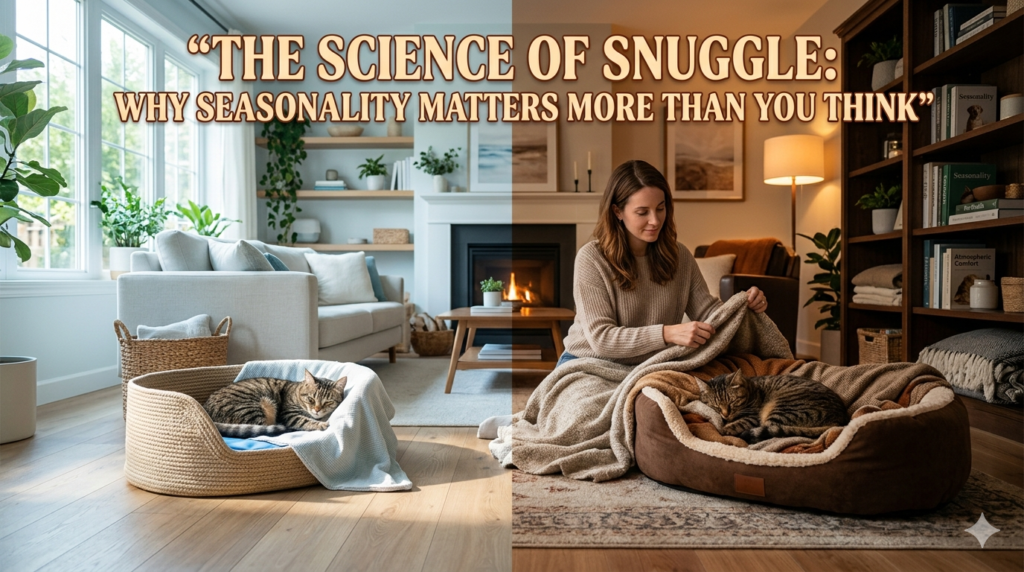
We talk about our own sleep environments cool rooms, breathable sheets, warm blankets. Our pets deserve the same consideration, yet their physiology is different. Dogs and cats have less ability to regulate body temperature through sweating. They rely on panting, seeking cool surfaces, or, in winter, conserving heat through posture and insulation.
A bed that’s a cozy haven in November can become a heat trap in July. Conversely, a cooling mat designed for summer offers no comfort or security during a chilly night. The ideal all-season bed addresses two core needs simultaneously: temperature regulation and supportive comfort. It must manage moisture and airflow while providing the joint support and nesting security every pet craves.
Decoding the Materials: What Actually Works Year-Round
This is where the marketing claims get thick. Breathable is everywhere, but what does it mean? From my experience, the magic isn’t in a single miracle fabric, but in a thoughtful combination.
For Cooling:
- Bamboo and Tencel (Lyocell) Blends: These aren’t just buzzwords. Bamboo-derived fabrics have a natural moisture-wicking and cooling sensation to the touch. They’re often used in the top sleeping surface.
- Mesh Panels and Perforated Foam: Some beds incorporate a mesh-like fabric on the sides or a foam core with ventilation holes. This promotes active airflow, pulling heat away from your pet’s body—a feature I’ve seen particularly appreciated by thick-coated breeds like Huskies or Persians.
- Gel-Infused Memory Foam: The gel beads absorb heat, but it’s the foam’s structure that does the real work. High-quality, open-cell foam allows air to circulate, preventing that dreaded “sinking into a hot spot” feeling.
For Warmth:
- Plush Microfiber and Faux Fur: These textures create insulating air pockets, mimicking the comfort of a mother’s coat. They’re perfect for the top layer in cooler months.
- Self-Warming Reflective Layers: This is a clever innovation. Some beds have a layer that reflects the pet’s own body heat back to them, providing warmth without electricity. It’s a safe, gentle heat that’s perfect for senior pets or those with arthritis.
The Ultimate Hack: The Removable, Washable Cover
This is non-negotiable. The true all-season bed isn’t one object, but a system. A core base like a supportive orthopedic foam with a zip-off, machine-washable cover is key. In summer, you can use a thin, bamboo-blend cover. As the temperature drops, you swap it for a thicker, plush fleece cover. This versatility not only extends the life of the bed but allows you to tailor it to your pet’s immediate needs. I’ve saved countless beds from the trash simply by replacing a worn-out, single-season cover.
The Orthopedic Imperative: A Base for Every Body
Regardless of the season, the foundation must be right. I learned this from a friend with a aging Labrador with hip dysplasia. She bought him a beautifully soft, cooling bed, but he struggled to get up from it. The lack of support was actually exacerbating his pain. A high-density memory foam or orthopedic foam base is crucial.
It conforms to the pet’s body, relieving pressure on joints and muscles. This is vital for large breeds, senior pets, and arthritic animals, but it’s beneficial for all pets, helping them achieve a deeper, more restorative sleep. A firm, supportive base paired with a seasonal cover system is the gold standard.
A Real-World Test: The Two-Dog Household
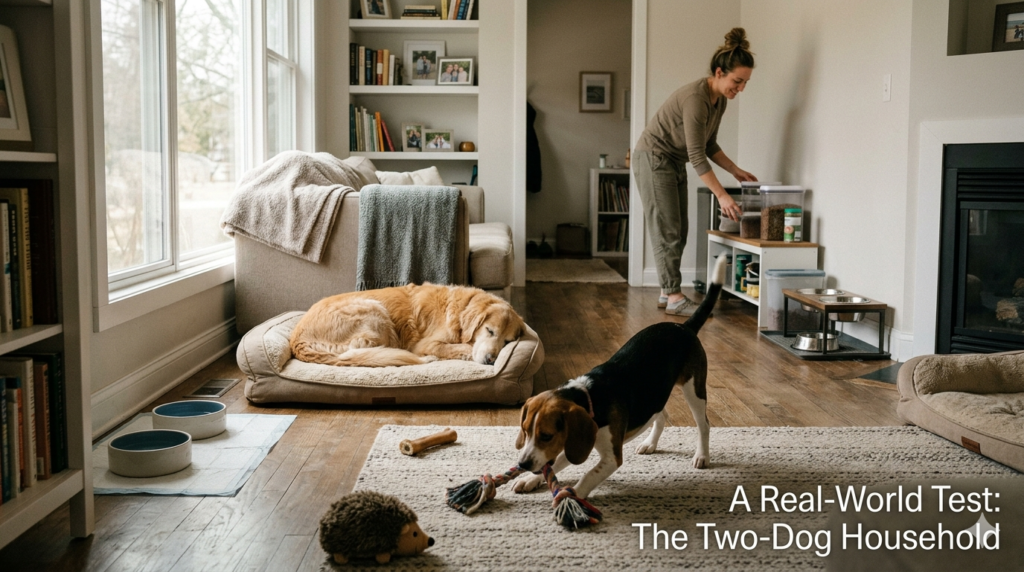
Consider my own home now. I have a boisterous two-year-old Border Collie mix and a calm, ten-year-old cat. Their needs are different. The solution? Two distinct beds with the same principle: a solid orthopedic base. My dog’s bed is a round, bolster-style with a removable bamboo-blend cover for the summer.
He also has a separate, thin self-warming mat he drags to his favorite sunny spot in winter. The cat has a cave-style bed with a mesh window for summer ventilation and a plush, removable inner liner for winter. Observing them choose between the beds based on the day’s temperature is proof of the system’s success.
Ethical Considerations and Limitations
It’s worth noting that not every pet will use a bed. Some prefer the floor, the couch, or your shoes. That’s okay. This guide is for the pet that appreciates a defined, comfortable space.
From a sustainability standpoint, look for beds made with CertiPUR-US certified foams (free from harmful chemicals) and covers from recycled materials. The durability of a well-made, modular bed also reduces landfill waste compared to cheap, disposable alternatives that fall apart after a wash.
The Final Check: Before You Buy
- Measure Your Pet: They should be able to curl up fully stretched. A general rule is to add 6-12 inches to their length.
- Check the Removable Cover: Is it truly easy to unzip and machine wash? Read reviews about shrinkage and durability.
- Assess the Core: Don’t be shy ask the brand about foam density and thickness. For a large dog, you need a base at least 4-5 inches thick.
- Observe Your Pet’s Habits: Do they like to burrow (cave beds), lean (bolster beds), or sprawl (flat mats)?
The quest for the perfect all-season pet bed is really a quest for understanding our pets’ silent needs. It’s an investment in their health, comfort, and well-being that pays back in quiet naps, happy stretches, and the deep, trusting peace of a secure resting place. And really, what could be better than that?
FAQs
Q: How often should I replace my pet’s bed?
A: On average, every 1-2 years. However, if the foam is flattened and no longer springs back, the cover is permanently stained or smells, or your pet seems less interested, it’s time for a replacement. An orthopedic bed that’s lost its support can do more harm than good.
Q: Can I just use a human blanket or cushion for my pet?
A: While pets often love our bedding, human mattresses and cushions aren’t designed for their anatomy. They lack the proper support for their joints and spine. Dedicated pet beds are engineered with their specific weight distribution and sleep positions in mind.
Q: My pet refuses to use the new bed I bought. What can I do?
A: Make it inviting. Place it in their favorite spot, rub it with your scent or a piece of their clothing, and toss a treat or toy on it. Never force them. Give them time to explore and accept it on their own terms.
Q: Are elevated (cot-style) beds good for all seasons?
A: They are excellent for airflow in summer and keep pets off cold floors in winter, but they lack the cozy, insulating comfort many pets desire. They’re a great supplement, especially for outdoors or drafty areas, but often aren’t chosen for deep, daily sleep.
Q: What’s the most important feature in an all-season pet bed?
A: A high-quality, supportive base combined with a removable, washable cover. The cover’s versatility allows you to adapt the bed’s surface temperature for summer or winter, while the core ensures long-term comfort and joint health.