
I’ll never forget the moment my veterinarian lifted my dog’s lip during a routine checkup and asked, When did you last look at his teeth? Honestly? I couldn’t remember. That conversation changed everything about how I approach my dog’s overall health. Like many pet owners, I’d assumed dental care for dogs was optional something fancy pet parents did. But after learning that nearly 80% of dogs show signs of dental disease by age three, I realized I’d been neglecting a crucial aspect of my best friend’s wellbeing.
Why Dog Dental Health Matters More Than You Think
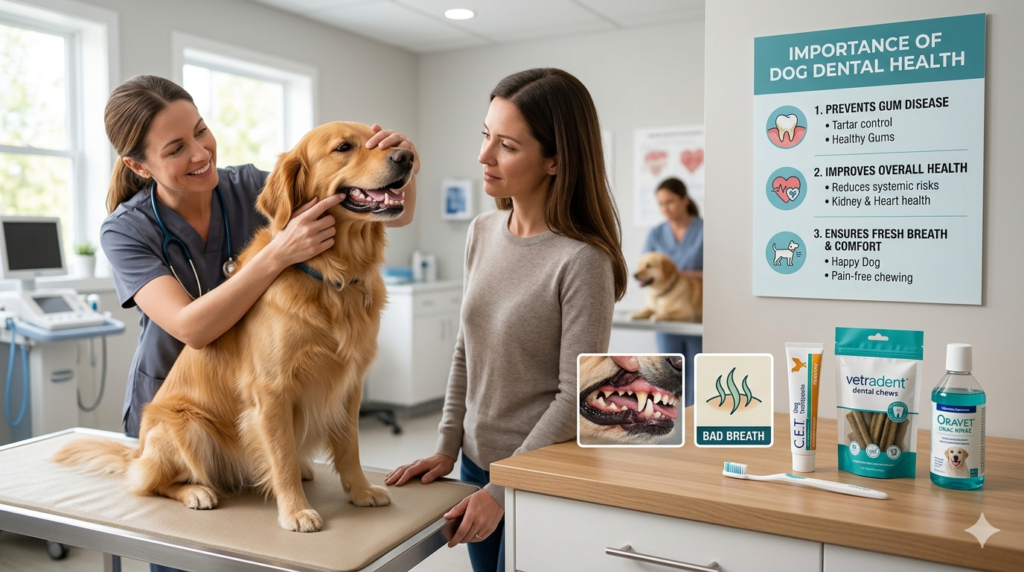
Here’s what most people don’t realize: dental problems in dogs rarely stay isolated to the mouth. Bacteria from infected gums can enter the bloodstream and affect the heart, kidneys, and liver. I’ve spoken with veterinary specialists who’ve seen otherwise healthy dogs develop serious organ complications traced back to untreated periodontal disease. My neighbor’s golden retriever, Biscuit, developed heart murmurs at just seven years old.
The root cause? Years of accumulated tartar and chronic gum inflammation that nobody addressed. It’s a story that pays out in veterinary clinics everywhere. Beyond systemic health concerns, dental issues cause genuine pain. Dogs are masters at hiding discomfort it’s an evolutionary instinct. By the time they stop eating or start pawing at their mouth, the problem has usually progressed significantly.
Recognizing the Warning Signs
Over the years, I’ve learned to spot dental trouble before it becomes severe. Watch for these indicators:
Bad breath: that goes beyond typical dog breath often signals bacterial buildup or infection. Sure, your dog’s mouth won’t smell minty fresh, but persistently foul odor deserves attention.
Yellow or brown buildup: along the germline is tartar, and once it forms, brushing alone won’t remove it. Run your finger gently along your dog’s outer teeth that rough, crusty texture means it’s time for professional intervention.
Red, swollen, or bleeding gums: indicate gingivitis, the early stage of periodontal disease. Catch it here, and you can often reverse the damage. Miss it, and you’re looking at potential tooth loss down the road.
Difficulty eating, dropping food, or favoring one side: while chewing suggests oral pain. Some dogs will suddenly refuse hard kibble but accept soft food a clear red flag something’s wrong.
Building a Home Dental Care Routine
Let me be honest: getting a dog to accept tooth brushing requires patience. My rescue mutt wanted nothing to do with it initially. But we got there, and now it’s just part of our evening routine.
Start slow. Don’t jam a toothbrush into your dog’s mouth on day one. Instead, spend a week simply lifting their lips and touching their teeth with your finger. Reward every calm response.
Use the right tools. Dog-specific toothpaste comes in flavors like poultry and peanut butter—much more appealing than minty human varieties. Human toothpaste contains xylitol and fluoride, both toxic to dogs, so skip it entirely.
Finger brushes work wonders for beginners. They give you better control and feel less invasive than traditional brushes. Once your dog tolerates finger brushing, graduate to a soft-bristled dog toothbrush.
Focus on the outside surfaces. The tongue naturally cleans the inner tooth surfaces, so concentrate your efforts on the outer sides where plaque accumulates most.
Aim for daily brushing, but honestly? Even three times weekly makes a noticeable difference. Consistency beats perfection here.
Dental Chews and Toys: Helpful, But Not Enough
Walk down any pet store aisle, and you’ll find countless products promising sparkling teeth. Some genuinely help; others are mostly marketing.
Look for the VOHC seal (Veterinary Oral Health Council) on dental chews and treats. This indicates the product has actually been tested and proven effective at reducing plaque or tartar.
Dental chews work through mechanical abrasion the chewing action scrapes teeth somewhat clean. They’re a useful supplement to brushing, not a replacement. Think of them like chewing gum for humans: better than nothing, but you still need a toothbrush.
Raw bones remain controversial. Some veterinarians swear by them for dental health; others have repaired countless fractured teeth and surgically removed bone splinters from intestines. If you choose this route, supervise closely and select appropriately sized bones.
Professional Cleanings: What to Expect
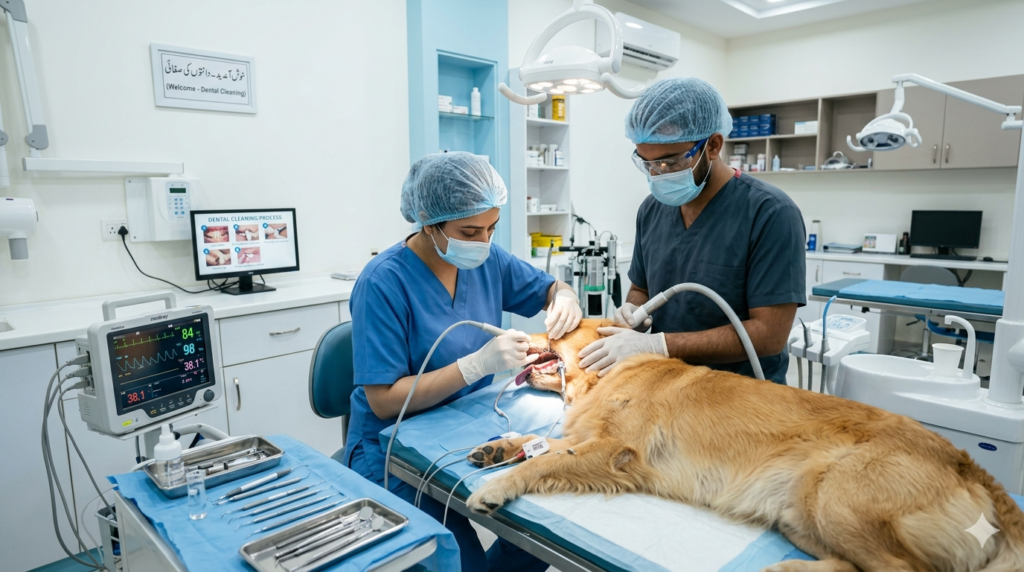
Despite our best home efforts, most dogs eventually need professional dental cleaning. This requires general anesthesia there’s simply no way to perform thorough scaling and examination on an awake, stressed animal. Modern veterinary anesthesia is remarkably safe when proper protocols are followed. Pre-anesthetic bloodwork identifies dogs who might face elevated risks. Continuous monitoring during the procedure tracks heart rate, oxygen levels, and blood pressure.
During cleaning, the veterinarian removes tartar above and below the germline, probes for pockets indicating bone loss, and takes dental radiographs to evaluate tooth roots. Sometimes extractions become necessary and honestly, removing a painful, infected tooth improves quality of life dramatically. Recovery is typically quick. Most dogs eat normally within a day or two, often with more enthusiasm than before because they’re finally pain-free.
The Cost Conversation
Professional dental cleanings aren’t cheap often ranging from $300 to $700 depending on location and complexity. Extractions add to that considerably. But here’s perspective: treating advanced periodontal disease costs substantially more than prevention.
And managing organ damage from chronic dental infection? We’re talking thousands, plus diminished quality of life. Pet dental insurance exists, though coverage varies wildly. Read policies carefully; many exclude pre-existing conditions or limit dental benefits.
FAQs
Q: How often should I brush my dog’s teeth?
A: Daily is ideal, but three times weekly provides significant benefits if daily isn’t realistic.
Q: At what age should dental care start?
A: Begin as a puppy to establish habits, but it’s never too late to start with adult dogs.
Q: Are anesthesia-free dental cleanings safe?
A: Most veterinary organizations advise against them they only address visible tartar and can miss serious problems below the germline.
Q: Can dental disease kill my dog?
A: Indirectly, yes. Bacteria entering the bloodstream can cause life-threatening organ infections over time.
Q: What’s the best dog toothpaste?
A: Any enzymatic toothpaste with the VOHC seal works well. Flavor preference varies by dog.