
If you live with a dog, you live with hair. I’ve owned heavy shedders, fostered short-coated surprise shedders and spent enough time in grooming rooms to know there’s no magic switch that turns shedding off. But there are natural, practical ways to reduce the amount of hair that ends up on your couch, clothes, and car seats and to improve your dog’s coat health in the process. The key is understanding what shedding is supposed to do, what makes it worse, and which natural strategies are truly helpful versus just trendy.
First: What’s normal shedding, and what’s not?
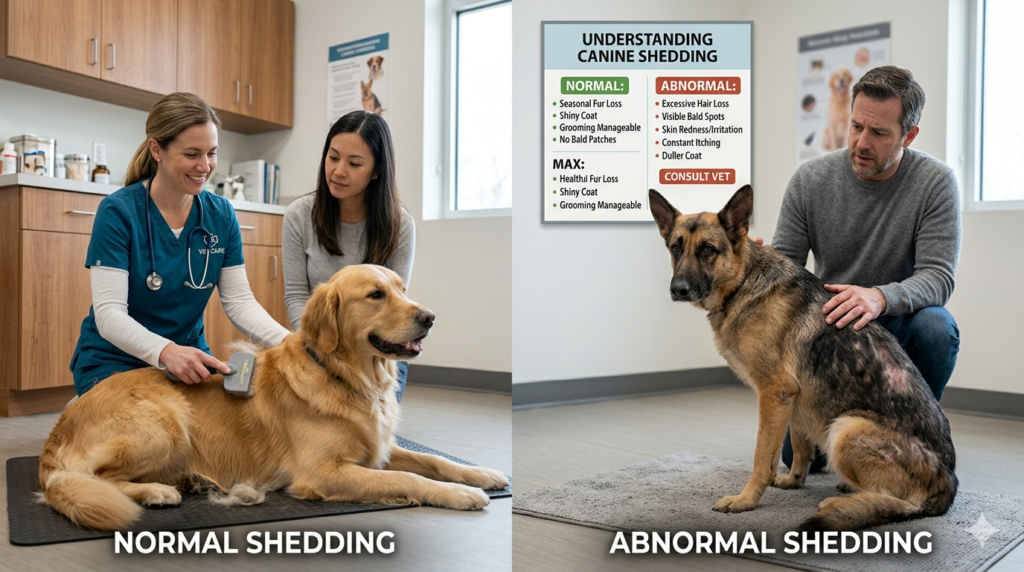
Shedding is a normal part of the hair growth cycle. Most dogs shed year-round, with seasonal spikes (often spring and fall) as they adjust to changes in daylight and temperature. Indoor dogs can shed more consistently because artificial light and steady indoor temps blunt the seasonal rhythm.
Where I start to get concerned is when shedding comes with:
- Bald patches or thinning spots
- Redness, scabs, dandruff, or a strong “yeasty” smell
- Constant scratching, licking, or chewing
- A dull, brittle coat that suddenly changes texture
- Weight changes, lethargy, or recurrent ear infections
Those can point to allergies, parasites, infections, thyroid issues, or other underlying health problems. Natural shedding control works best when your dog is basically healthy and you’re optimizing the basics.
The foundation of natural dog shedding control
1) Brush smarter, not harder (and match the tool to the coat)
If you do only one thing, do this. Brushing removes loose hair before it migrates into your home and helps distribute natural oils along the hair shaft, making coats look healthier.
The mistake I see most: using the wrong brush. A slicker brush on a short, single-coated dog can be irritating; a rubber curry on a thick double coat can be useless.
Here’s a simple guide:
- Double-coated breeds (Labs, German Shepherds, Huskies, Golden Retrievers):
Use an undercoat rake or deshedding tool (gently), followed by a slicker and a metal comb to check your work. Focus on the hot zones : hips, butt, behind ears, chest. - Short-coated breeds (Beagles, Pugs, Pit mixes):
A rubber curry brush or grooming glove works surprisingly well. Short hairs weave into fabric like needles regular curry sessions reduce that. - Curly/wavy coats (Poodles, Doodles):
They don’t shed the same way, but they drop hair that tangles. A slicker brush + comb routine prevents matting, which otherwise traps dead hair and skin oils and leads to odor and irritation.
My real-world routine: during heavy shed season, I do 10–15 minutes of brushing 4–5 times a week. The rest of the year, 2–3 times weekly is usually enough.
2) Bathe with purpose (and don’t overdo it)
A good bath can dramatically reduce shedding if you use a gentle shampoo and dry properly. A bath loosens dead coat and dander, but over washing strips oils and can trigger more dryness and flaking, which looks like more shedding.
Natural-ish approach that holds up in practice:
- Use a mild, dog-specific, fragrance-light shampoo (oat-based can help itchy skin).
- Rinse longer than you think you need to. Residue makes skin itchy.
- If your dog has dry skin, consider a conditioner or a moisturizing rinse.
- Dry thoroughly. A towel plus a dryer on low/cool (if your dog tolerates it) helps blow out loose hair.
How often? For most dogs: every 4–6 weeks is plenty. If your dog is oily or allergy-prone, you might bathe every 2–3 weeks but only with vet guidance and a skin-friendly routine.
3) Nutrition: coat health starts in the bowl
When someone tells me their dog is shedding like crazy, I ask what they’re feeding. Coat quality is one of the first places poor nutrition shows up.
For natural dog shedding control, look for:
- High-quality protein as the first ingredient (coat is protein-based).
- Omega-3 fatty acids (EPA/DHA) for skin barrier support.
- A food that agrees with your dog because chronic loose stool often goes hand-in-hand with inflammation that can show up on the skin.
Omega-3s: Fish oil is the most consistent option I’ve seen. Start low and increase gradually to avoid stomach upset. Dosing depends on the product concentration and your dog’s weight ask your vet for a target EPA/DHA amount rather than guessing by “pumps.”
A quick caution: too much oil can cause diarrhea and unnecessary calories. And some skin & coat treats barely contain meaningful omega-3s. Read labels.
4) Hydration and humidity actually matter
Dry indoor air especially in winter with forced heat can make skin flaky. Flaky skin sheds more and looks worse on dark furniture.
Two easy wins:
- Make sure fresh water is always available (obvious, but it’s foundational).
- If your home is dry, a humidifier in the main living area can help both humans and pets.
5) Parasite control is “natural” in the sense that it’s non-negotiable
I’ve seen people chase supplements and specialty shampoos while their dog quietly has fleas. Even a small flea problem can trigger huge shedding due to itch, inflammation, and self-trauma.
If you prefer a lower-chemical approach, talk to your vet about risk-based options. But be careful with DIY essential oil sprays some are toxic to pets, and inconsistent flea control often costs more in vet visits than it saves.
6) Reduce stress and friction in daily life
Stress can worsen shedding. So can constant friction from poorly fitted harnesses, rough play on carpets, or a dog who’s licking due to boredom. A small case study from my own circle: a high-energy herding mix started shedding heavily on the sides of his body. No rash, but he was constantly rubbing against the sofa and pacing. Once his owners added a daily sniff walk and a food puzzle routine, the rubbing stopped and the coat filled back in over a month. Sometimes “shedding control” is really lifestyle management.
What about “natural remedies” for dog shedding?
You’ll hear a lot: coconut oil, apple cider vinegar, egg yolks, raw diets, herbal powders. Here’s my balanced take.
- Coconut oil: can add shine in tiny amounts, but it’s high in saturated fat and can cause GI upset. I don’t consider it a primary shedding solution.
- Apple cider vinegar: diluted rinses are sometimes used for odor, but it can sting irritated skin and won’t fix true shedding causes.
- Raw diets: some dogs improve, others don’t, and food safety is a real consideration especially in households with kids, elderly people, or immunocompromised family members.
- Biotin supplements: only help if there’s a deficiency, which is uncommon with complete diets.
If you’re tempted by a supplement, I’d rather see you invest in proven fundamentals first: brushing routine, omega-3s, parasite control, and a quality diet.
The “shedding control” home setup that saves sanity
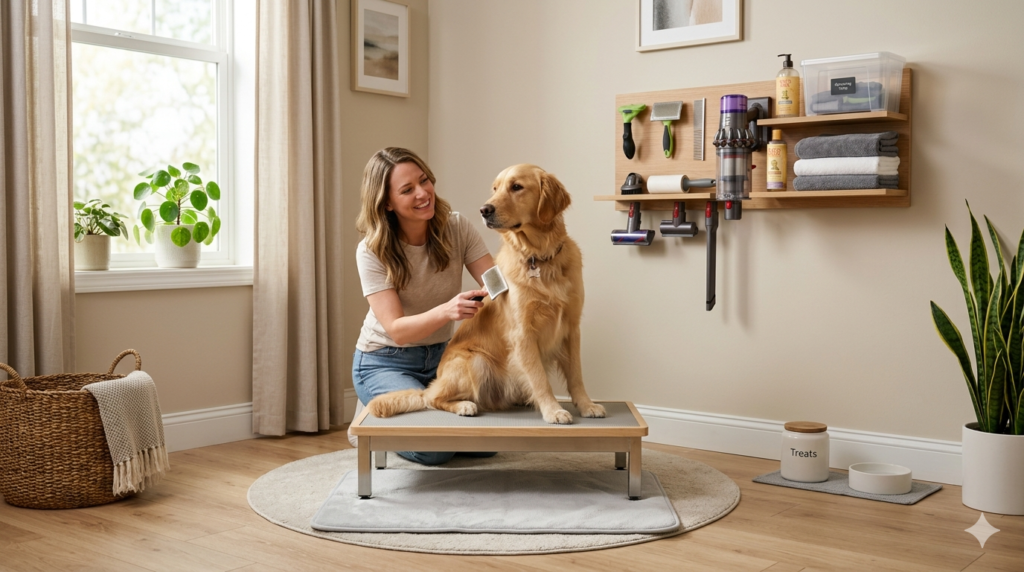
Natural shedding control isn’t only about the dog it’s about managing hair in the environment:
- Washable throws on favorite spots
- A vacuum with a pet hair brush roll (and actually using it twice a week)
- A lint roller in the car
- A grooming station near the door so you brush outside when the weather cooperates
It’s not glamorous, but it’s realistic.
When to call the vet (even if you want a natural approach)
If you’ve improved grooming and diet for 6–8 weeks and shedding is still extreme or if you see itching, odor, sores, or bald spots get a veterinary exam. Skin issues can be allergies, mites, bacterial infections, endocrine disease, or a mix. The most “natural” thing you can do is get an accurate diagnosis early instead of guessing for months.
FAQs
Q: How can I stop my dog from shedding so much?
A: You can’t stop shedding entirely, but you can reduce it with regular coat-appropriate brushing, a healthy diet, omega-3s, and proper bathing.
Q: What is the best natural supplement for dog shedding?
A: Fish oil (omega-3s with EPA/DHA) has the best evidence for supporting skin and coat health.
Q: How often should I brush my dog to reduce shedding?
A: During heavy shed season, aim for 4–5 times per week; otherwise 2–3 times weekly works for many dogs.
Q: Does bathing reduce shedding?
A: Yes if done correctly. A gentle shampoo, thorough rinsing, and proper drying help loosen and remove dead coat.
Q: When is shedding a sign of a health problem?
A: If shedding comes with itching, redness, bald patches, odor, or recurring ear/skin issues, a vet check is warranted.
Q: Do some breeds shed more no matter what you do?
A: Absolutely. Double-coated breeds and some short-coated dogs will always shed heavily; your goal is control, not elimination.