
There’s a good chance you’ve stood in the pet food aisle for longer than you’d like to admit, squinting at ingredient labels while your dog waits impatiently by the checkout. The grain-free section has ballooned over the past decade, claiming shelf space that once belonged to traditional kibble, and the marketing promises sound almost too good to be true happier digestion, shinier coats, more energy. But is any of it actually backed up?
I remember when grain-free started trending around 2015. My neighbor swore her Labrador’s skin allergies vanished after switching. A trainer I knew swore grain-free solved his aggressive stray’s GI issues. Meanwhile, veterinarians were starting to raise flags that wouldn’t become mainstream news for another few years. The reality, as with most things in nutrition, is complicated and deeply personal to each animal.
What Does “Grain-Free” Actually Mean?
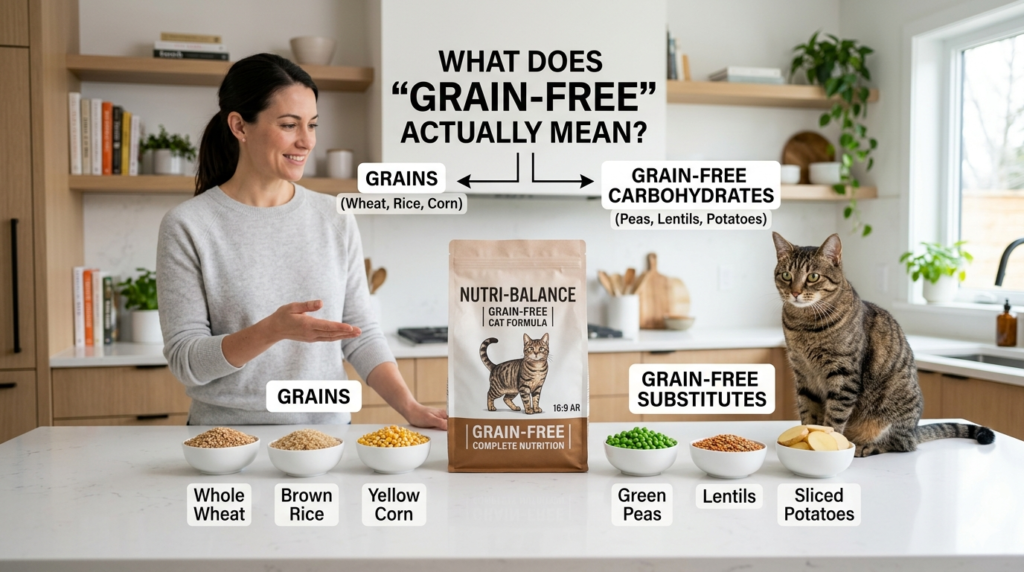
When a pet food label says grain-free, it means the formula contains no wheat, corn, rice, oats, barley, rye, or other traditional grain ingredients. Instead, manufacturers substitute legumes like peas and lentils, or root vegetables like sweet potatoes and potatoes. Some people assume this automatically makes it healthier or more natural, but that’s a leap worth examining. Dogs and cats are omnivores with carnivorous ancestry.
A wild wolf might eat some grains from an herbivore’s stomach, but grains weren’t exactly a cornerstone of their diet. That said, domesticated dogs have evolved alongside humans for thousands of years, and their digestive systems have adapted to process a wider range of foods than their wild cousins. Cats, being obligate carnivores, have stricter protein requirements but can still metabolize some carbohydrates when needed.
Why Grain-Free Became So Popular
The grain-free movement didn’t emerge from a vacuum. It tapped into real anxieties pet owners have about processing, fillers, and nutrition. Many people saw the ingredient lists on budget pet foods corn listed multiple times in different forms, artificial preservatives and wanted something cleaner. Grain-free formulas often position themselves as premium, using identifiable protein sources as the first ingredients instead of grain byproducts. There’s also the emotional appeal. The idea that your pet is eating what wolves and wild cats eat feels instinctively right to some owners.
We want to honor their inner predator, even if Fluffy has never hunted anything more challenging than a dust bunny. My cousin, who runs a small boarding facility, noticed that several of her canine guests seemed to have less frequent digestive upset when eating grain-free during their stays. She started recommending it casually to clients, and for a while, she felt like she’d discovered a secret advantage. It’s not magic, she told me once, but something about it just works better for some dogs.
The Other Side: Concerns That Can’t Be Ignored
Here’s where the story gets uncomfortable. In 2018, the FDA announced an investigation into a potential link between grain-free diets and dilated cardiomyopathy (DCM), a serious heart condition that had been appearing in breeds with no genetic predisposition to it. Taurine deficiency seemed to be a common thread, and legumes were suspected as potential interferes with taurine absorption or synthesis. The research hasn’t produced a definitive verdict yet. Some studies show correlation; others find no significant link. Veterinary cardiologists have seen cases improve when dogs switched off grain-free diets, but correlation isn’t causation, and DCM has multiple contributing factors.
What’s certain is that the industry took notice, reformulated some products to address taurine concerns, and started adding explicit taurine supplementation. As someone who’s followed pet nutrition research for years, I find this period instructive. It reminds us that “natural” doesn’t equal “safe,” and that our pets’ health depends on balanced nutrition, not ingredient ideology. A grain-free diet can be nutritionally complete; it can also be deficient if formulated carelessly. The same goes for grain-inclusive foods.
When Grain-Free Makes Sense
There are legitimate reasons to choose grain-free, and pretending otherwise would be intellectually dishonest. Food allergies are the big one. While grain allergies in dogs are actually less common than beef or chicken allergies, they do exist. My friend Sarah has a beagle named Biscuit who breaks out in hives every time he eats anything with wheat. After months of elimination diets and veterinary consultations, grain-free became not a trend but a necessity for that dog’s quality of life.
Severe grain allergies, inflammatory bowel conditions that respond to novel carbohydrate sources, and certain digestive sensitivities can all make grain-free a reasonable choice. Some dogs also seem to have genuine difficulty digesting grains, producing chronic gas, loose stools, or skin issues that resolve with grain-free food. These aren’t imaginary problems they’re real experiences backed up by veterinary observation.
When Traditional Food Works Just Fine

For the majority of healthy dogs and cats, grain-inclusive foods from reputable manufacturers provide excellent nutrition at lower cost. Grains like brown rice and oatmeal offer fiber, vitamins, and sustained energy. A study published in the Journal of Animal Physiology and Animal Food found that healthy dogs digest grains quite efficiently, with digestibility rates comparable to other carbohydrate sources.
If your pet is thriving on a grain-inclusive food healthy weight, shiny coat, normal energy levels, firm stools there’s no compelling reason to switch. The grain-free movement has, in some ways, created unnecessary anxiety. Not every dog needs to eat like a wolf. Most dogs are somewhere between carnivore and omnivore on the evolutionary spectrum, and they do fine with balanced diets that include quality grains.
How to Choose Wisely
Rather than asking grain-free or not? the better question is what does this specific formulation provide? Look for foods where named meat proteins appear first chicken, beef, salmon not mysterious “meat meals.” Check the guaranteed analysis for adequate protein and fat levels appropriate to your pet’s age and activity. Avoid foods with excessive fillers, artificial colors, or vague ingredient descriptions. If you’re considering grain-free, talk to your veterinarian first. They can assess whether your pet has genuine sensitivities worth addressing or whether you’re about to switch for reasons that won’t actually benefit your companion.
Some vets now recommend checking taurine levels in dogs on grain-free diets, especially for breeds predisposed to heart issues. Ethical sourcing matters too. Grain-free foods often market themselves as premium, but price doesn’t guarantee quality. Companies that employ veterinary nutritionists, conduct feeding trials, and maintain transparent sourcing practices earn trust more than those that simply slap a grain-free label on the bag.
The Bottom Line
Grain-free pet food isn’t inherently good or bad. It’s a tool one that serves some animals well and others not at all. The industry learned hard lessons through the DCM investigation, and many manufacturers emerged with better-formulated products. Pet owners learned, hopefully, that marketing shouldn’t drive nutrition decisions.
Your pet’s health depends on you paying attention to them as an individual monitoring their coat, energy, digestion, and overall wellbeing and working with veterinary professionals who can provide personalized guidance. What works for your neighbor’s golden retriever might send your dachshund to the emergency room. That variability is worth respecting.
FAQs
Q: Is grain-free food better for dogs with allergies?
A: Grain allergies exist but are less common than protein allergies. Some dogs with confirmed grain allergies benefit from grain-free diets, but many skin and digestive issues blamed on grains are actually caused by other ingredients.
Q: Can grain-free food cause heart problems in dogs?
A: The FDA investigated a possible link between grain-free diets high in legumes and dilated cardiomyopathy (DCM), possibly related to taurine deficiency. While the research remains inconclusive, some cases improved after switching foods. If your dog eats grain-free, consider consulting your vet about taurine levels.
Q: Are grains bad for cats?
A: Cats are obligate carnivores requiring animal protein, but they can digest some carbohydrates. Grains aren’t inherently harmful to cats when included in a complete, balanced formula.
Q: How do I know if my pet needs grain-free food?
A: Signs of potential grain sensitivity include chronic skin itching, recurrent ear infections, digestive upset, or poor coat quality. A veterinarian can help identify true grain allergies through elimination diet trials.
Q: Should I switch my healthy pet to grain-free just to try it?
A: Probably not. If your pet is healthy and thriving on a balanced grain-inclusive food, switching introduces unnecessary risk and expense. Save grain-free options for situations where a genuine dietary need exists.
Q: What should I look for regardless of grain content?
A: Named protein sources as the first ingredient, guaranteed analysis meeting your pet’s life stage needs, clear sourcing information, and formulations developed with veterinary nutritionist oversight.