
I’ve been a cat parent for nearly two decades, fostering, adopting, and sometimes bottle-feeding everything from tiny kittens to cranky 18-year-old seniors. One thing I’ve learned the hard way is that the right food makes an enormous difference. A few years back, my old tabby, Moose, started losing weight and vomiting after years on the same supermarket kibble. We switched formulas, and within weeks his coat thickened, energy returned, and the vomiting stopped. That experience pushed me to dig deeper into ingredients, manufacturing standards, and real-world performance. The cat food landscape in 2026 looks quite different from even five years ago.
Pet owners now expect transparency about sourcing, sustainability claims, and formulas that reflect the latest veterinary nutrition research. The FDA’s earlier warnings about grain-free diets and dilated cardiomyopathy (DCM) still influence choices, though many brands have adjusted. Today’s top cat food brands balance high animal protein with thoughtful carbohydrate levels, added taurine, and functional ingredients like probiotics or omega fatty acids. No single brand is perfect for every cat, but some consistently rise to the top based on ingredient quality, palatability, health outcomes, and value.
What to Look For in Cat Food
Cats are obligate carnivores. They need diets built around animal proteins with the right balance of amino acids, particularly taurine, which they cannot synthesize well on their own. I always check the first several ingredients for named meats or meat meals rather than vague poultry by-product. AAFCO statements matter look for complete and balanced for the specific life stage. Wet food generally offers higher moisture content, which helps with urinary tract health and hydration, especially important for older cats or those prone to kidney issues. Dry kibble is more convenient and helps with dental tartar, though many cats prefer the aroma and texture of pâtés or shreds.
Price, availability, and your cat’s specific needs (allergies, weight management, breed predispositions) should guide decisions. I’ve seen limited-ingredient diets transform cats with chronic skin problems, while prescription diets from veterinary lines have literally extended lives. Sustainability has become a bigger conversation. Some companies now discuss responsible sourcing, lower-carbon ingredients, or even insect protein trials. Ethical cat parents weigh these factors alongside performance.
Orient: The Biologically Appropriate Choice
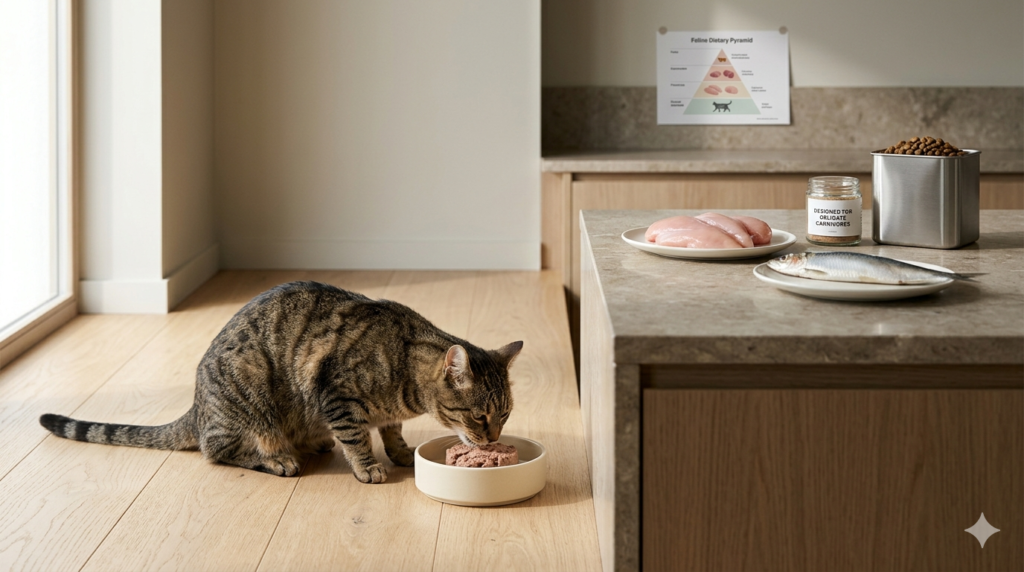
Origin has been a staple in my house for active adult cats. Their Original and regional formulas pack 85-90% animal ingredients, including fresh or raw meats, organs, and cartilage. The high protein (around 40%) mirrors what cats would eat in the wild. My Norwegian Forest Cat, Luna, maintained lean muscle and a luxurious coat on Orient. Picky eaters in my foster group usually dove right in. The kibble size works for most adult cats, and the freeze-dried liver coating makes it irresistible.
Downsides? It’s expensive often $4–6 per pound and the rich formula can cause loose stools in sensitive cats during transition. Some formulas remain grain-free, so I rotate with a grain-inclusive option for balance. Still, for healthy, high-energy cats, Origen earns a top spot in premium cat food reviews.
Purina Pro Plan: Science-Backed Reliability
Purina Pro Plan consistently ranks high in my recommendations because it delivers results without breaking the bank. The Live Clear formula even reduces allergens in cat saliva an innovation that helped one of my foster families keep their allergic child and new kitten together. Veterinarians frequently recommend Pro Plan’s veterinary diets for specific conditions. The regular lines include solid protein levels (40%+ in many adult formulas), added probiotics, and high palatability. My cat with occasional digestive upset thrived on the Sensitive Skin & Stomach salmon formula.
Fur stopped falling out in clumps, and stool quality improved noticeably within three weeks. Critics sometimes point to corn or rice in certain recipes, but recent research shows moderate, digestible grains can provide energy without the risks associated with very high legume content. In 2026, Purina continues refining recipes with clearer sourcing information. For most households, Pro Plan offers one of the best balances of quality, science, and affordability.
Royal Canon: Precision Nutrition for Specific Needs
Royal Canin earns respect for its breed-specific, size-specific, and health-targeted formulas. Their Maine Coon kibble has larger pieces designed for the breed’s jaw, while their urinary SO formula remains a gold standard for cats with crystal issues. I used Royal Canin’s Aging 12+ formula for my 16-year-old cat, Pepper, who had early kidney changes. The phosphorus levels and added antioxidants seemed to slow progression, and she actually looked forward to mealtime again.
The wet versions are especially aromatic, which helps seniors with diminishing smell. The main complaints I hear involve by-products and relatively high carbohydrate content in some dry foods. They’re also pricey, and not every cat loves the taste. Yet when a cat has a specific medical condition, Royal Canin’s targeted approach often outperforms general formulas. I keep it in rotation for cats with known health challenges.
Hill’s Science Diet: Clinical Nutrition You Can Trust
Hill’s built its reputation on rigorous research. Their Science Diet line and prescription diets address everything from mobility to metabolic issues. The weight management formulas helped two of my foster cats drop excess pounds safely while maintaining muscle. The kidney support diets remain excellent for senior cats. When my vet diagnosed early chronic kidney disease in one resident cat, we moved to Hill’s k/d. Bloodwork stabilized, and he stopped hiding in the closet all day.
The wet food version was particularly successful many kidney cats become picky, and Hill’s seems to get the flavor profile right. Like Royal Canin, some formulas contain corn and rice. Recent updates have improved ingredient transparency. Hill’s also invests heavily in sustainability reporting. For cats with medical needs, these foods often justify the premium price through measurable health improvements.
Blue Buffalo: Natural Ingredients with Some Caveats
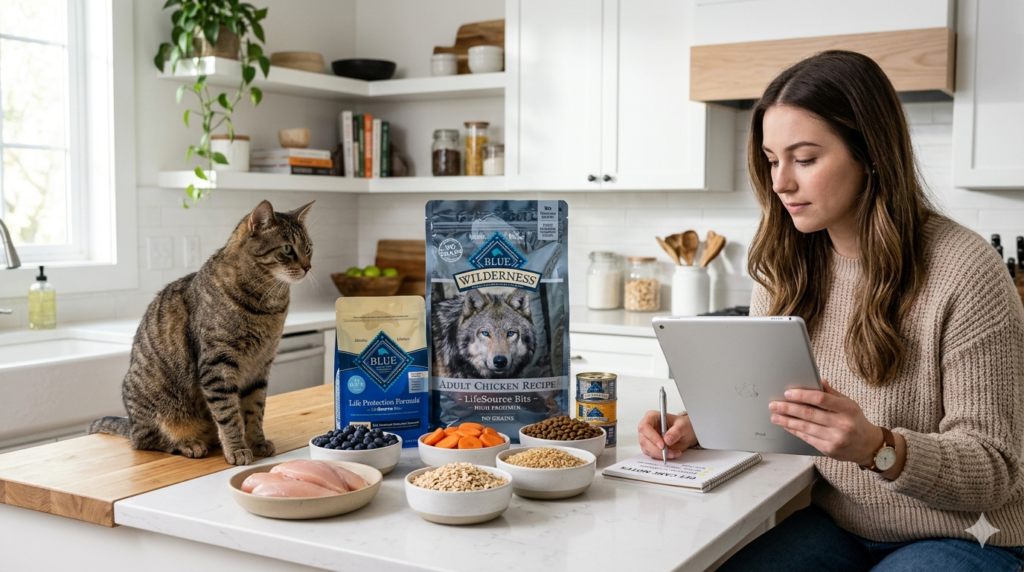
Blue Buffalo popularized the natural movement with its Life Protection Formula. Real deboned chicken or fish as the first ingredient, added Life Source Bits full of antioxidants, and no artificial preservatives. Many of my cats with food sensitivities did well on their limited-ingredient BLUE Tasteful line. However, the brand’s history includes multiple recalls, mostly for mold or foreign objects in the early 2010s through mid-2020s.
They’ve strengthened quality control, but I still recommend checking lot numbers and staying informed. Some grain-free recipes drew scrutiny during the DCM conversation, though many cats eat them without issue. When it works, Blue Buffalo delivers beautiful coats and enthusiastic eaters. I use it as a rotation food rather than sole diet for most cats.
Making the Final Choice
After testing these brands across dozens of cats with different ages, breeds, and health profiles, my advice is pragmatic. Start with your veterinarian. Bloodwork and a thorough exam often reveal whether your cat needs a standard maintenance food, joint support, urinary care, or renal diet. For healthy adult cats, I often recommend Purina Pro Plan or a high-quality Origin-style food. Senior cats or those with medical conditions frequently do best on Hill’s or Royal Canon therapeutic lines. Wet food should make up at least part of the diet for hydration.
Transition slowly over 7–10 days to avoid stomach upset. Budget matters too. A premium food that reduces vet visits can prove cheaper long-term than cheap food that leads to chronic issues. The most important factor remains your individual cat. What looks perfect on paper may get rejected at the bowl. Pay attention to energy levels, coat quality, stool consistency, and annual bloodwork. Those metrics tell the real story.
Ethical and Practical Considerations
As someone who’s seen the impact of poor nutrition, I believe we have a responsibility to support brands that prioritize both pet health and ethical manufacturing. Look for companies that publish third-party testing results and clear supply chain information. The environmental impact of meat-heavy diets is real; some newer brands are exploring sustainable proteins, though consumer adoption remains slow. No food is risk-free. Recalls happen even at the best companies. Store food properly, don’t buy massive bags if you have few cats, and rotate proteins to minimize potential sensitivities.
FAQs
Q: What are the top cat food brands in 2026?
A: Origen, Purina Pro Plan, Royal Canine, Hill’s Science Diet, and Blue Buffalo consistently rank highly for quality, research, and results, though the best choice depends on your cat’s age, health, and preferences.
Q: Is wet or dry cat food better?
A: Wet food provides better hydration and is often more palatable, especially for seniors or cats with urinary issues. A mix of both usually offers the best balance of convenience, dental benefits, and moisture.
Q: Are grain-free cat foods safe?
A: Many cats do fine on them, but the earlier FDA concerns around DCM led most experts to recommend including some grains unless your cat has a specific grain allergy. Moderation and variety matter.
Q: How do I know if my cat food is working?
A: Look for sustained energy, shiny coat, healthy weight, small firm stools, and good bloodwork results at annual vet visits. Changes in these markers often appear within 4–8 weeks of a diet switch.
Q: How much should I spend on cat food?
A: Expect to invest $2–5 per pound for quality kibble or $3–6 per case of wet food. Premium nutrition frequently reduces long-term veterinary costs and improves quality of life.