
I’ve spent fifteen years in the grooming industry, and if there’s one thing that keeps me up at night, it’s watching owners give their pets a quick comb-through with a $12 brush from the dollar store and call it grooming. It’s not just about a shiny coat it’s about preventing matting that turns into painful skin infections, avoiding hairballs that trigger pancreatitis, and catching the ear infection before it becomes a vet emergency. The tools you choose aren’t just accessories; they’re the difference between reactive fixes and proactive prevention.
After thousands of grooming sessions and countless conversations with veterinarians and pet owners, I’ve learned that must-have isn’t about having the most expensive or flashiest gadgets. It’s about having the right ones for your specific pet’s coat type, age, and health status. A terrier and a golden retriever need fundamentally different approaches, and using the wrong tool doesn’t just create a mess it can cause real harm.
The Foundation: Your Hands and Your Eyes
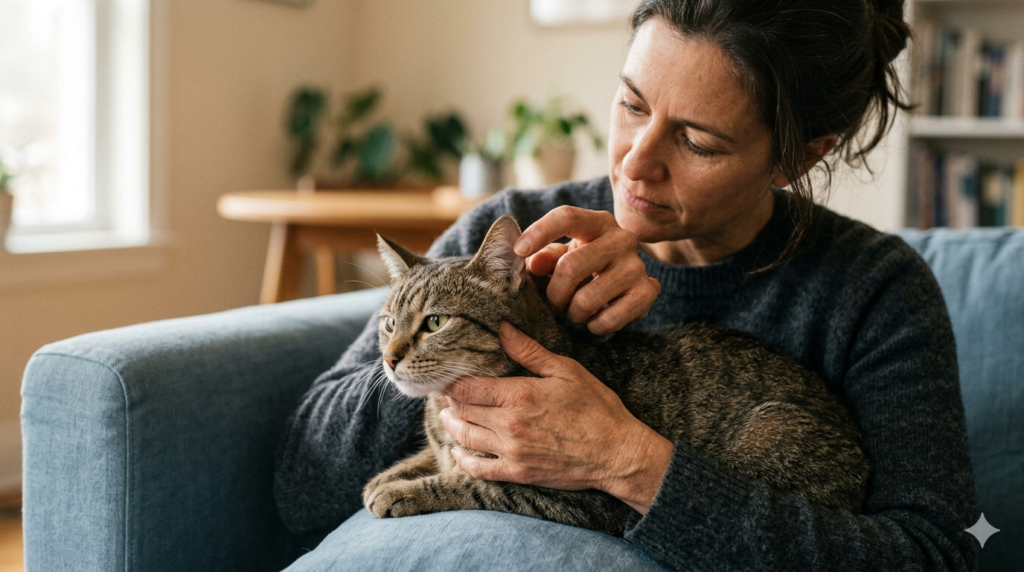
Before you even unbox a single tool, you need to develop what I call clinical touch. This isn’t about being gentle for the pet’s sake it’s about being diagnostic. When I walk into a consultation, my first move is always running my fingers through the coat in different directions. I’m checking for the pin-feather phase, looking for broken hairs that indicate stress or illness, and feeling for the dermal layer beneath.
This tactile assessment tells me everything about what tools I’ll actually need that day. A senior Persian with arthritis might need a soft-spun dematting tool instead of a harsh blade, while a young Poodle needs a pin brush to prevent the heavy undercoat from becoming a choking hazard. The best tool in the world becomes useless if you don’t know what your pet’s coat is actually telling you.
Demitting: The Tools That Actually Work
Let’s talk about the most common frustration: mats. Everyone buys the cheap plastic mat rake and discovers why professionals charge what they do. Mats aren’t just cosmetic problems they’re fiber tangles that trap bacteria, restrict blood flow, and can cause pain when the pet moves. A severe mat can actually restrict breathing in brachycephalic breeds like pugs or flatten the ears in flat-faced dogs.
For cats, especially longhairs, the mat splitter is your best friend. It uses a curved, serrated edge to separate fibers rather than cutting them, which means less pain and lower risk of cutting the skin. I always keep one in my truck because a quick split before the bath can save a 20-minute grooming session.
The Art of the Bath: Beyond the Tub
Most pet owners think bathing tools means a rubber duck and a cup. That approach leads to stress, splashing, and incomplete cleaning. The real game-changer is the grooming sink or portable wash basin. Elevating your pet’s chest puts them at eye level, reducing the struggle and water spray that terrifies so many animals. It’s not just about comfort it’s about compliance. A stressed pet resists, and resistance leads to missed spots.
But the real secret weapon? No-rinse shampoos for sensitive skin. Traditional shampoos strip natural oils, leading to the shampoo fatigue cycle where owners bathe too frequently, causing dry skin and more itching. A quality no-rinse formula maintains the skin’s pH balance while still removing debris.
Ear Care: The Most Overlooked Health Tool
Ear infections are the third most common reason for veterinary visits, yet most owners only think about ears during bath time. The 3-in-1 ear cleaning kit soft gauze, ear cleaner, and a syringe isn’t just convenient; it’s preventive medicine. The key is using the correct size for your pet’s canal depth and never cleaning past the dark portion of the ear where the eardrum sits.
I’ve seen too many cases where owners used human ear cleaners designed for cartilage, which pushed debris deeper into the ear canal of a dog, creating a bacterial culture perfect for infection. Veterinary-grade cleaners contain the right pH and ingredients to break down wax without irritating the skin. For cats, who often shake their heads violently, the soft cotton ball method (wrapping gauze around a cotton ball) is safer than cotton swabs, which can push into the canal.
Nail Care: Precision Over Power
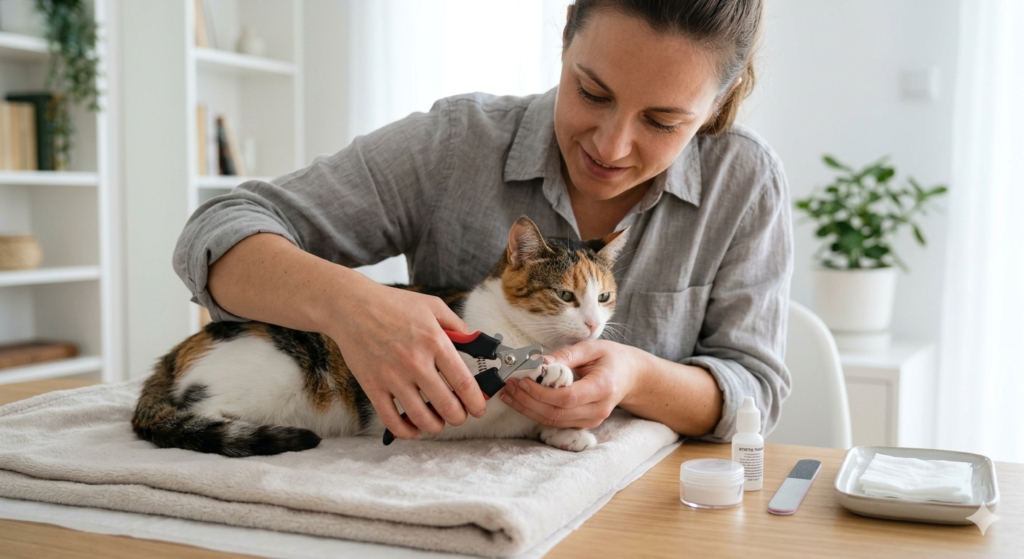
The debate between grinders and clippers still divides the industry, but the consensus has shifted. Paw grinders with diamond-coated heads work best for most breeds because they file down the quick as they cut, reducing pain and splitting. However, for animals with thick nails or those who panic during grinding (which causes the nail to bind and potentially shatter), precision trimmers with guard caps remain essential.
Here’s what most guides miss: you need different trimmers for different nail types. Grinders work for the majority of dogs, but scissor trimmers are necessary for cats and small breeds with delicate nails. The quick (blood vessel) is easier to avoid in young pets with clear nail beds, but in adults, it’s often hidden near the tip. The digital quick locator a small flashlight that illuminates the quick can prevent the disaster of a nail nick, which leads to licking, infection, and pain.
The Finishing Touches That Actually Matter
Deshedding tools have gotten a bad reputation because many owners overused them, causing hair loss and skin irritation. But the high-velocity deshedding tool (like the Furminator) used correctly can reduce shedding by 90% in certain breeds. The trick is using it on dry coats, moving with the hair growth direction, and stopping immediately when the pet shows discomfort. It’s a seasonal tool, not a daily one.
For grooming scissors, the anvil scissor is for beginners and beginners-only. It crushes the nail rather than cutting, which is painful and risks splitting. The precision scissor with a small blade (less than 5mm) is what professionals use for face, paw pads, and ears. The curved tip scissors are non-negotiable for cats, who can’t tolerate straight-edge blades near their eyes or ears.
The Special Cases No One Talks About
Senior pets need soft-spun demitting tools because their skin becomes thinner and more fragile. Forceful extraction can tear skin rather than release mats. Puppies and kittens need silicone grooming gloves that provide gentle traction without the risk of drops or crushing. For anxious pets, the grooming table with a ramp and pressure pad makes all the difference.
A sliding table that tilts gently and provides aromatherapy (like lavender-scented pads) can transform a 30-minute grooming session into a 10-minute calm routine. It’s not just about the tools; it’s about creating an environment where the pet feels safe enough to tolerate the process.
The Reality Check: What You Don’t Need
Here’s the honest truth: you don’t need 27 different brushes or a $400 grooming table. You need three things: a pin brush for your coat type, serializable scissors for precision work, and ear cleaning supplies that match your pet’s ear depth. Everything else is enhancement. I’ve seen owners spend $300 on grooming tools they use once a year, while the $40 tools they use weekly save money at the vet.
The biggest waste? Human grooming tools. Human combs and brushes have the wrong pin spacing and density. They pull hair rather than glide through it. The exception is human-quality brushes that specifically state they’re designed for pet coats these can be excellent investments if you’re serious about the craft.
Building a Sustainable Grooming Routine
The real must-have isn’t a specific tool; it’s a maintenance schedule that uses the right tools preventively. A weekly brush with the right pin brush prevents the matting that leads to $200 vet dermatological procedures. A monthly ear cleaning prevents the $150 antibiotic treatments for chronic otitis. These tools aren’t expensive luxuries; they’re cost-effective healthcare.
I always tell new groomers: buy the tools, but buy the knowledge first. Take a veterinary technician course, learn about skin disorders, understand that a greasy coat can be psoriasis, not just poor grooming. The tools are just extensions of your diagnostic ability.
Final Thoughts
Grooming isn’t about perfection; it’s about partnership. When you choose tools that match your pet’s biology and your hands-on skill level, you create a relationship built on trust rather than stress. The pet who rolls over willingly for a brush, who tolerates nail trimming without screaming, who doesn’t develop the skin conditions that plague poorly-groomed animals these aren’t just healthier; they’re more connected to their humans.
Start with one quality tool for your specific pet, learn how to use it on a consultation basis with a vet, and build from there. The rest is just details.
FAQs
Q: How often should I brush different breed types?
A: Double-coated breeds like German Shepherds need weekly brushing during shedding seasons (spring/fall) and 2-3 times monthly otherwise. Short-haired breeds need weekly maintenance. Long-haired breeds require daily brushing to prevent matting.
Q: Can I use human hairbrushes on my pet?
A: Only if specifically labeled for pet coats. Human brushes have spacing that pulls rather than glides through pet hair, causing breakage and pain. Look for brushes with 10-12mm pin spacing for most dogs.
Q: What’s the biggest mistake people make with ear cleaning?
A: Cleaning too deep past the dark portion of the ear canal, which can puncture the eardrum. Always use the correct size tool and stop at the visible dark area. When in doubt, have a vet show you the proper technique.
Q: Are expensive grooming tools worth it?
A: Not necessarily. A $40 quality pin brush used weekly is worth more than a $400 tool used once. Invest in veterinary-grade ear cleaners and precision scissors first; these directly impact pet health. Everything else is enhancement.