
The first time I cooked for Barnaby, my scruffy terrier mix, I overcooked the sweet potatoes. He didn’t care. He inhaled that bowl like it was filet mignon, tail thumping a rhythm against the cabinet. That was six years ago. Since then, my kitchen routine has evolved, but the motivation remains: watching my dog thrive on food I can actually pronounce. Transitioning to healthy homemade dog food recipes isn’t just about swapping kibble for stew; it’s a commitment to understanding canine nutrition.
The internet is flooded with easy recipes that are essentially meat-and-rice combos. Here’s the hard truth I learned after consulting veterinary nutritionists and poring over NRC guidelines: throwing chicken and carrots in a pot is great for a three-day upset stomach, but it’s a nutritional disaster for long-term feeding.
The Balance Trap: Why “Natural” Isn’t Enough
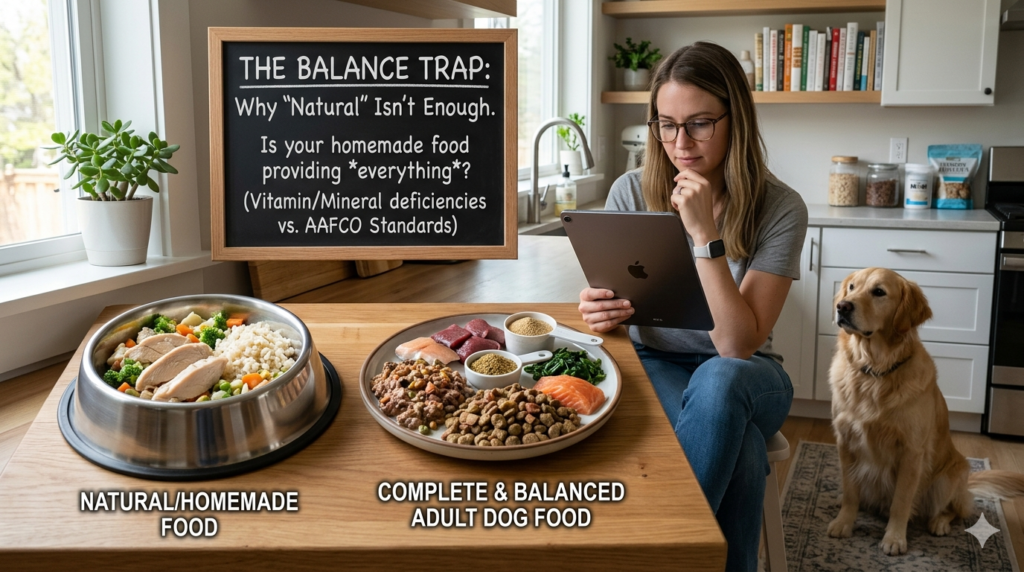
When I started, I thought human-grade meant perfect. I was wrong. Dogs have different requirements than we do. The biggest pitfall in homemade diets is the calcium-to-phosphorus ratio. Meat is phosphorus-heavy. Without adequate calcium, you risk serious skeletal issues over time. I caught this early when Barnaby’s annual bloodwork showed a slight imbalance. We weren’t adding a calcium source. A simple adjustment using a vet-recommended eggshell powder calculator fixed it, but it was a wake-up call.
A truly balanced dog diet requires precision. I use a framework of roughly 50% high-quality protein, 25% digestible carbohydrates, and 25% fibrous vegetables, plus essential fats and a micronutrient boost. Unless you’re weighing milligrams of zinc and copper, a commercial vitamin-mineral premix is non-negotiable. I rely on formulations from services like BalanceIT or consult a board-certified veterinary nutritionist to create custom recipes. It takes the guesswork out and ensures dog nutrition standards are met.
Real Food, Real Results: The “Bowl Method”
I don’t follow rigid recipes anymore; I use a modular approach. This keeps Barnaby interested and allows me to rotate proteins, which helps prevent allergies and supports a diverse gut microbiome. My go-to winter batch is the Turkey & Turmeric Joint Support. I sauté lean ground turkey, boil quinoa for digestible carbs, and steam green beans and carrots. I mix in a spoonful of plain pumpkin for fiber and a vet-approved dose of turmeric paste. Barnaby is a senior now, and his stiffness after walks has noticeably decreased since we introduced this anti-inflammatory combination.
The key is pairing turmeric with healthy fats, like a drizzle of salmon oil, for absorption. Another favorite is the Beef & Berry Boost. Lean ground beef, mashed butternut squash, and a handful of blueberries. Blueberries are packed with antioxidants, and the squash is gentle on digestion. I always add the supplement powder after cooking to preserve heat-sensitive vitamins.
Safety, Ethics, and the Raw Debate
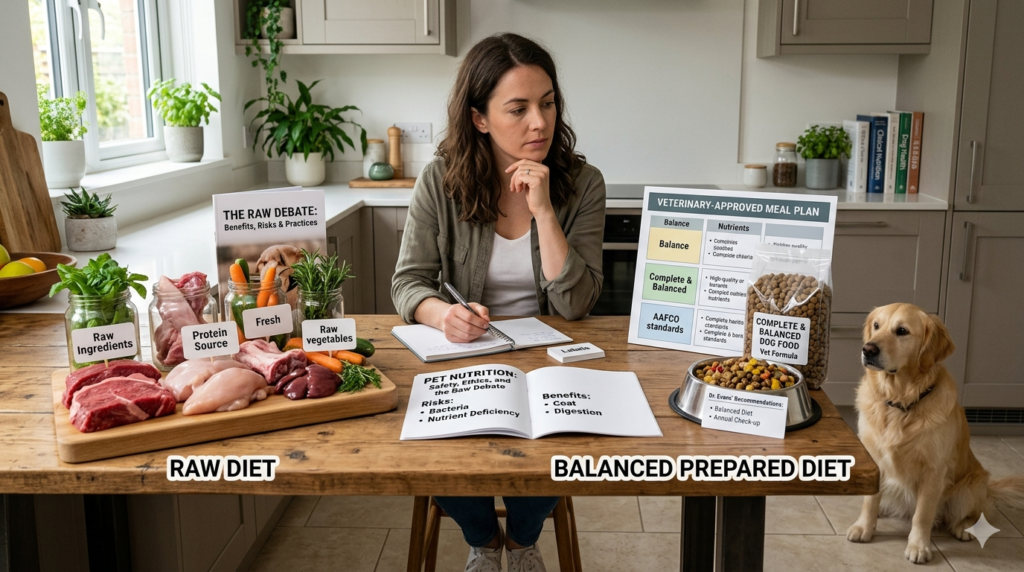
Let’s talk safety. Safe ingredients for dogs exclude onions, garlic, grapes, raisins, macadamia nuts, and anything with xylitol. These are toxic. Also, never feed cooked bones; they splinter. If you want dental benefits, use approved chews, not leftovers. There’s also the raw vs. cooked debate. I stick to cooked. With kids in the house, the bacterial risk of raw meat isn’t a chance I want to take, and studies show properly formulated cooked diets offer equal nutritional value without the pathogen load.
It’s a personal choice, but hygiene is paramount regardless of your method. Ethically, sourcing matters. If you’re buying the cheapest factory-farmed meat, are you really offering a superior diet? I rotate proteins to reduce reliance on single supply chains and look for local, sustainable options when possible. Sardines are a budget-friendly superfood I add weekly for omega-3s.
The Honest Limitations
I won’t sugarcoat it: cooking for your dog is work. My grocery bill increased by about 30%. I spend Sunday afternoons batch-cooking and freezing portions in silicone molds. Fresh food spoils faster than kibble; I treat it like my own leftovers, thawing overnight in the fridge. If the cost or time is prohibitive, consider topping. Mixing 20% to 25% homemade food into a high-quality kibble can boost palatability and nutrient diversity without the risk of imbalance. It’s a middle ground I recommend to friends who are overwhelmed.
Homemade food isn’t magic. It requires monitoring. Weigh your dog monthly. Check stool quality. Schedule annual bloodwork. If your dog’s coat dulls or energy drops, pivot. Your dog’s health metrics are the only review that matters. Cooking for Barnaby has deepened our bond, but more importantly, it’s given me control over his health. With the right research, vet partnership, and a dash of kitchen intuition, you can serve meals that nourish every cell. Just remember: love is the secret ingredient, but science keeps the bowl safe.
FAQs
Q: Can I feed my dog homemade food every day?
A: Yes, provided the diet is complete and balanced. This usually requires a vet-formulated recipe and a vitamin-mineral supplement to prevent deficiencies over time.
Q: What vegetables are safe for dogs?
A: Carrots, green beans, pumpkin, spinach, zucchini, and broccoli are excellent choices. Always avoid onions, garlic, leeks, and chives, as they damage red blood cells.
Q: How much homemade food should I feed my dog?
A: A general starting point is 2% to 3% of your dog’s ideal body weight daily, split into two meals. However, caloric needs vary by age, breed, and activity level. Monitor your dog’s body condition score and adjust accordingly.
Q: Is homemade dog food cheaper than kibble?
A: Usually, no. Sourcing human-grade ingredients and supplements often costs more than commercial kibble. However, many owners find the potential health benefits and reduced vet bills for diet-related issues worth the investment.
Q: Do I need to add supplements?
A: For long-term feeding, yes. Most whole-food recipes lack adequate levels of calcium, zinc, copper, and vitamin D. A balanced multivitamin/mineral premix designed for homemade diets is essential for safety.